Blog
Dental hygiene tips for healthy teeth & gums
5 Signs You Might Need a Root Canal
A tooth usually gives some warning before things get serious. That’s why noticing signs you might need a root canal early matters. The signs aren’t always obvious. A dull ache that wakes you up. Sensitivity to hot drinks that lasts longer than it should. People often share these experiences before getting treatment. The goal here is to keep things simple, so the path forward feels clearer and calmer.
Pain That Keeps Returning
A tooth that aches for hours or comes back with the same pain is one of the clearest signs you need a root canal. It can be a dull pressure or a sharp poke when biting. Often, it feels worse when lying down. Pain that does not fade with common pain relief points to inflamed nerve tissue inside the tooth. That steady ache is the kind of signal that is worth a prompt check.
Long-Lasting Sensitivity After Hot Or Cold
Teeth react briefly to heat and cold. That is normal. But when the sting or ache lingers long after the sip is gone, it is the top signs that you need a root canal. The nerve inside the tooth stays upset and keeps firing. That leftover pain is different from a quick chill. It hangs on and tells the dentist there is internal trouble.
Swelling, A Gum Bump, Or A Bad Taste
A small bump near a tooth can feel harmless. Especially when it drains or when the pain fades for a while. The bad taste comes and goes, so it’s easy to put off. But swelling like that is one of the quieter signs you need a root canal. It usually means the infection isn’t on the surface anymore. It’s deeper, inside the canals. And when bacteria sit there long enough, they don’t stay contained. Bone can get involved. Early care is often what keeps it from reaching that point.
A Darkening Tooth Or A Change In Colour
A tooth that goes from white to grey or brown can be quietly damaged. Internal bleeding after a hit or a long, slow infection can change the shade. Colour change is one of the quieter signs that you might need a root canal because it may not hurt at first. When a dark tooth follows trauma or comes with odd sensitivity, it is time for a check.
Pain When Biting
Pain when you bite is your cue to pay attention. Tooth feeling less stable than before is another. Cracks that reach the root or an infection that weakens the support tissue often cause this feeling. These are real signs you need a root canal because the interior of the tooth often needs cleaning and sealing to stop the problem from growing worse.
How A Dentist Checks These Warning Signs
Diagnosis usually happens in steps. First, a few questions about the pain. When did it start? What makes it worse? Then some basic tests, tapping the tooth, checking how it reacts to hot or cold. Biting down can help reveal which tooth is actually sore. X-rays fill in another part of the picture, particularly when darker spots show near the root. When things still don’t line up, additional imaging or a consult may help. The focus stays on getting the answer right, without unnecessary delay.
Why Acting Early Matters
When signs you need a root canal show up and aren’t brushed off, the whole process often stays simpler. Teeth treated sooner usually calm down faster and don’t drag on with extra visits. Keeping the natural tooth also helps with how the bite feels and how the jaw holds up over time. When problems are left sitting, infection has more time to spread, sometimes into the bone, and that’s when treatment starts getting more involved. A quick visit early on usually saves a lot more effort later.
What Root Canal Treatment Actually Does
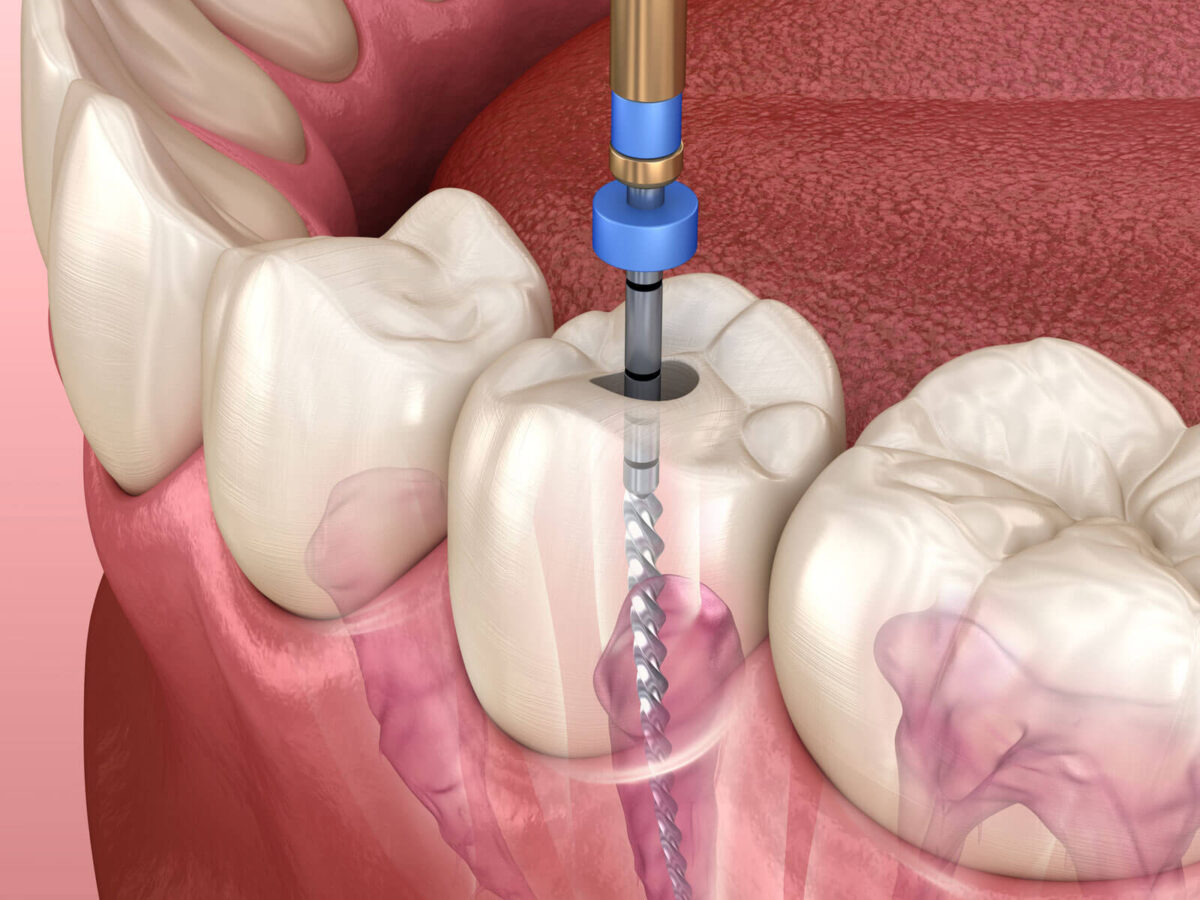
The problem with a painful tooth is usually inside it. A root canal takes care of that part. The infected tissue is removed, the space is cleaned out, and then sealed so it can’t keep causing issues. The tooth is often finished with a crown because it needs support. After that, it usually feels normal again. It can last for years and lets people keep the tooth instead of dealing with replacements.
When Extraction Becomes The Practical Choice
There are times when saving a tooth just isn’t realistic. It may be too damaged. The bone may not be strong enough anymore. Taking it out does end the infection, but then there’s an empty space to deal with. That usually turns into conversations about implants or bridges. More steps. More cost. The decision is usually about what’s left of the tooth and what makes sense looking ahead.
How Daily Habits Raise The Odds Of Needing A Root Canal
If dental cleanings are missed and small problems are pushed aside, trouble tends to build up. Constantly chewing hard items or repeated knocks to a tooth can lead to nerve trouble too. Certain medical issues and oral habits can make decay move faster. Basic steps like routine cleanings, early cavity treatment, and sports mouthguards can make those five signs much less likely.
Red Flags That Need Same-Day Care
There are a few signs that usually mean don’t wait. Rapid swelling, fever, trouble breathing, or redness spreading across the face are clear signs you need a root canal looked at immediately. Pain that keeps getting worse and interrupts sleep also counts. Other symptoms aren’t always urgent. Things like lingering sensitivity or a darkened tooth usually allow a short window, but getting in within a few days is still the safer move.
What the Visit and Recovery Feel Like
The area is numbed first. Because of that, pain during the procedure is rare. Mild tenderness afterwards can hang around briefly. That’s expected. Light pain medication and avoiding hard foods usually take care of it. Once the crown goes on, the tooth feels more solid again. With regular dental visits, many people don’t have issues with that tooth for years.
Children And Root Canal Signs: What Parents Should Watch For
In kids, the signs don’t really look that different. Pain that sticks around. A bump near one tooth. A tooth that darkens after a fall. Those can all be signs that you need a root canal. When care happens early and is handled with children in mind, treatment is often easier and less overwhelming. Putting it off tends to make things harder later.
Questions To Ask At The Dental Visit
A few simple questions often clear things up. What sign pointed to the diagnosis? Understanding the X-rays, the number of visits, and the timing of the crown usually helps. Cost and follow-up care usually matter as well. Going over these points helps turn signs you need a root canal treatment into an actual plan instead of guesswork.
Final Thought And A Calm Next Step
Catching signs that you need a root canal soon can make a real difference. It often keeps treatment simpler and gives the tooth a better chance. The signs are usually familiar ones. Ongoing pain.
Sensitivity that hangs on. Swelling or a gum bump. A tooth that changes colour. Pain when chewing. When one or more of these appear, getting an exam and an X-ray usually answers the question quickly and helps move things in the right direction.