Blog
Dental hygiene tips for healthy teeth & gums
Can Cavities Cause Bad Breath? Here’s the truth
Bad breath can be awkward. Most people notice it at the worst possible moment. Maybe during a conversation. Maybe while laughing with friends. Sometimes someone politely offers gum, and suddenly the thought appears. Is my breath that bad?
Many things can cause bad breath. Eating coffee and garlic. Skipping brushing before bed. Dry mouth after waking up. Those situations are usually temporary. But sometimes the smell sticks around. Brushing helps a little, but not for long.
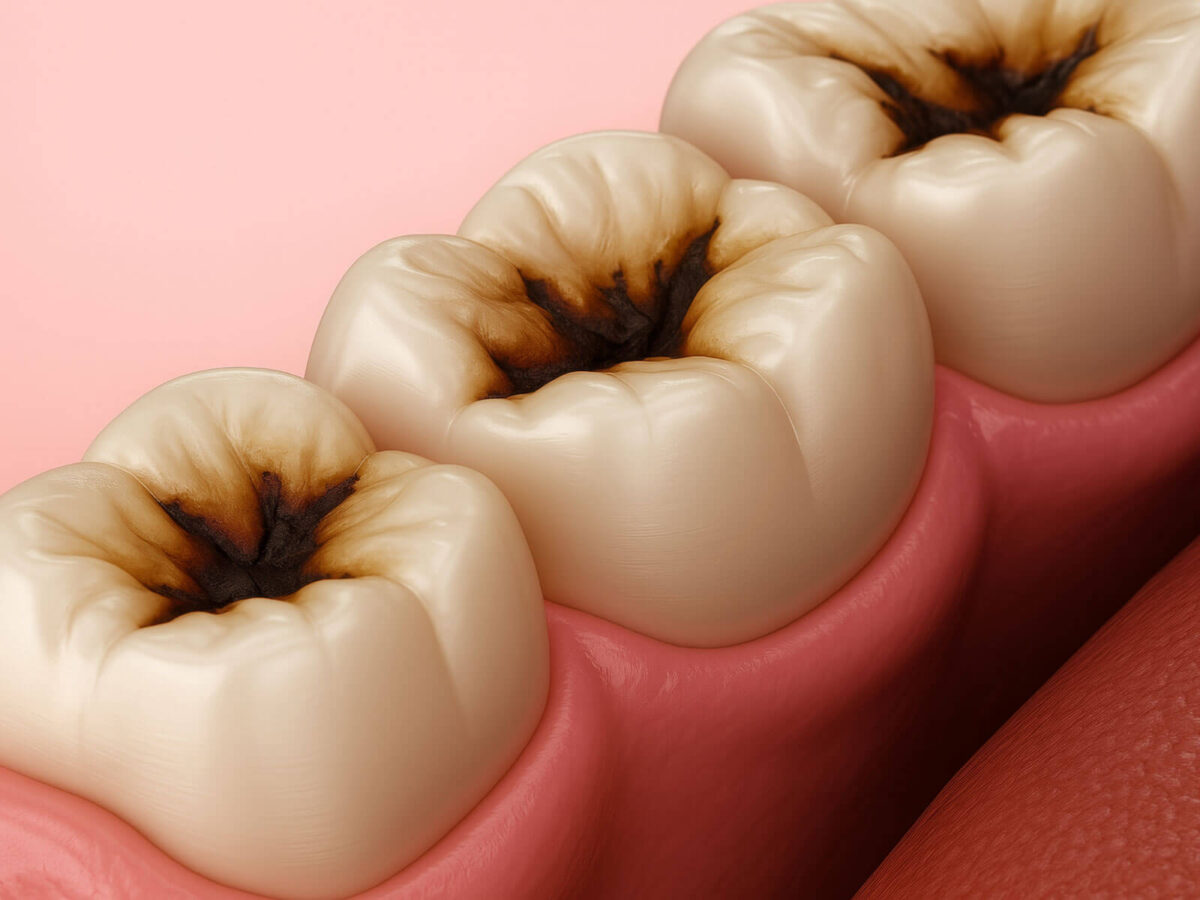
That is when people start wondering about deeper causes. One question often comes up during dental visits. So, do cavities cause bad breath? Yes, they often can. A cavity starts when part of the tooth slowly begins to wear away. As that happens, bacteria collect in the damaged spot and may produce smells.
According to the American Dental Association, cavities start with bacteria. These bacteria stay inside the mouth and produce acid. The acid does not harm the tooth right away. But little by little, it weakens the enamel. That same bacteria can also play a role in persistent bad breath.
What a Cavity Does to a Tooth
Cavities usually begin in a very small way. Often so small that a person cannot see anything unusual while looking in the mirror. The first step usually involves bacteria in the mouth. They combine with small bits of food that remain on the teeth.
Sugar gives those bacteria energy. They feed on it and release acids. With time, the enamel starts to lose its strength because of those acids. After a while, tiny openings may form in the tooth surface.
At first, there may be no symptoms. No pain, no clear warning signs. But as the cavity grows deeper, bacteria can move further inside the damaged area.
This is when many people begin to ask, do cavities cause bad breath. Bacteria can settle inside those small, damaged spaces. As they grow, they may release unpleasant odours.
Why Cavities Sometimes Create Odour
Most bad breath comes down to bacteria. The mouth always contains bacteria. After eating, a few food particles may still be sitting on the teeth. Bacteria collect around them and begin breaking them down. During that process, sulfur gases form. Those gases are what create the strong smell.
Good daily cleaning takes care of much of that buildup. When the teeth are properly cleaned, bacteria have fewer spots where they can remain. Cavities can make that harder. A damaged tooth often has small spots where bacteria settle and remain undisturbed.
With time, the cavity itself can become a cause of bad breath. Food may collect inside the weakened part of the tooth, and as it slowly breaks down, the odour may become more noticeable.
When Bad Breath May Mean Something More
Bad breath alone does not always point to a cavity. Sometimes it is something temporary. Morning breath, for example. Almost everyone experiences it.
At night, the mouth works differently. Saliva slows down. The mouth becomes drier. Bacteria grow more easily during those hours.
But when the smell keeps returning, dentists usually start looking deeper. People often ask, “Can cavities cause bad breath?” Dentists usually check the teeth for other clues before answering. Sensitivity may appear in a tooth. A dark spot may show on the enamel. Chewing might begin to feel uncomfortable.
Tooth decay itself is very common. Cavities are extremely common. The Centers for Disease Control and Prevention has pointed out that tooth decay affects a huge number of people, both children and adults. That is one reason dentists pay attention when bad breath does not go away. Even with regular brushing, they may examine the teeth carefully for possible decay.
What Tooth Decay Can Do to the Mouth Over Time
Ignoring a cavity usually allows the damage to grow slowly. The weakened area of the tooth becomes an easy place for bacteria to stay. Food can also collect there without being noticed. As time passes, the smell from that spot may become stronger.
That is one reason dentists pay attention to breath that stays unpleasant. The smell itself is not from the tooth surface. It usually comes from bacteria living inside the decayed part of the tooth.
Other Dental Problems That Can Cause Bad Breath
Cavities are not the only dental condition linked to odor. Gum disease can also lead to bad breath. Inflammation of the gums allows bacteria to grow along the gumline. Food trapped between teeth may also contribute to odor when flossing is skipped.
Even a cracked tooth can hold small food particles that eventually break down. When people ask, “Do cavities cause bad breath?”, Dentists usually examine the entire mouth to look for any potential dental issues.
How Dentists Find Cavities
Many cavities are not easy to notice without a dentist’s tools. During an exam, the dentist looks closely at all the teeth. Small instruments help detect weak spots in enamel. Dental X-rays are sometimes used to reveal decay between teeth or below the surface.
Once the cavity is located, treatment can begin before the damage becomes larger. Early treatment often eliminates the bacterial buildup that may be contributing to the cause of bad breath.
Why Treating a Cavity Can Help with Breath
Treating a cavity usually begins with removing the damaged part of the tooth. The dentist then cleans the inside of that area very carefully. When the space is ready, it is filled with a material that restores the tooth.
This filling closes the opening where bacteria once gathered. Without that hiding place, the odour often improves. Many patients who ask, “Can cavities cause bad breath?” find that treating the decay makes a big difference. Afterwards, daily brushing becomes much more effective.
Small Daily Habits That Help Protect Teeth
Caring for your teeth every day makes cavities less likely. When cavities are prevented, bad breath related to tooth decay becomes less likely too. Brushing twice a day removes plaque before it starts building up.
Flossing does something brushing cannot. It reaches the narrow spaces between teeth where food tends to stay stuck. Sugary snacks can also lead to problems because bacteria grow faster when sugar is left on the teeth.
Dental checkups help as well. During those visits, dentists can notice early decay before it spreads and becomes a cause of bad breath.
FAQs
Do cavities always make breath smell bad?
No. Some cavities cause odor, but others may not show that sign early.
Can bad breath continue even with brushing?
Yes. A cavity can hold bacteria that brushing cannot clean.
Is bad breath only caused by cavities?
No. Dry mouth and certain foods may also lead to it.
Will repairing a cavity help the breath smell better?
Usually. Removing the decay also removes the bacteria causing the odour.
Conclusion
Bad breath that sticks around does not always have a single reason. Sometimes dry mouth plays a part. Diet can matter too, and gum problems may also be involved. Dental issues are often somewhere in the mix.
A cavity can leave tiny damaged areas in the tooth. Bacteria and food particles may gather there quietly, and most people do not notice it happening. Over time, the buildup may begin to produce odor. This helps explain why people often wonder, “Do cavities cause bad breath?”
Seeing a dentist can help identify the real reason. During an exam, early decay can often be found and treated. Fixing the cavity protects the tooth and may help the breath improve as well.
Bad breath can return even when someone takes care of their teeth every day. That often leaves people wondering why. During a checkup, a dentist may find the reason. They often check for cavities or other dental concerns.