Blog
Dental hygiene tips for healthy teeth & gums
Why Are They Called Wisdom Teeth? The History Behind the Name
Wisdom teeth probably have one of the strangest names in dentistry. Most dental terms sound technical or clinical in some way. Molars. Incisors. Canines. Then suddenly there are “wisdom teeth” sitting at the very back of the mouth, sounding almost symbolic instead of medical. That name has been around for a very long time, too.
Searches for “why are they called wisdom teeth” usually start after someone gets told they need them removed. The question comes up pretty naturally once the conversation starts. Especially because the name does not explain anything about what the teeth actually do.
The short answer connects to age. Most wisdom teeth appear later than the other adult teeth, generally around the late teens or early twenties. That timing became associated with maturity centuries ago.
Why The Name “Wisdom Teeth” Stayed Around
The teeth themselves are simply third molars. Dentists still call them third molars professionally during exams and surgery discussions. The phrase “wisdom teeth” survived more through ordinary language and older cultural references.
People connected later adulthood with gaining wisdom. The teeth appeared during those years, so people started connecting them with wisdom. The explanation feels a little dated today.
What Ancient Cultures Called Them
The idea goes back surprisingly far. According to the National Library of Medicine, ancient Greek writings referred to these teeth as “teeth of wisdom” because they erupted at a more mature age compared to other teeth.
The wording changed slightly across different languages over time, though the general meaning stayed very similar. A lot of cultures connected the last molars with adulthood in one way or another.
Why Wisdom Teeth Come In So Late
Most permanent teeth appear much earlier. Wisdom teeth usually emerge somewhere between the ages 17 – 25. Sometimes later. Occasionally, they never erupt fully at all. That delayed timing is really the entire reason behind the name.
The teeth arrive long after childhood dental development is mostly finished. By then, a person was historically viewed as more mature or wiser compared to a child. That association stayed attached to the teeth themselves.
Why Is It Called The Wisdom Tooth Instead Of Something More Medical?
Dental language changed over time, the same way ordinary language did. Some older medical terms stayed surprisingly poetic compared to modern terminology. Wisdom teeth ended up being one of those phrases that survived into modern dentistry without getting replaced completely.
Even dentists still use the phrase casually during appointments instead of saying “third molars” every single time. Patients understand it faster anyway.
How Wisdom Teeth May Have Helped Earlier Humans
Earlier human diets were harder on teeth in general. People regularly chewed rough foods that created much more tooth wear over the years. Roots, uncooked plants, dried meat, and coarse foods were a normal part of daily eating. Extra molars probably helped with grinding and chewing those foods. Human jaw structure also appeared different back then. Anthropologists still debate how much diet and evolution changed jaw size over time.
Why So Many Wisdom Teeth Become Impacted Now
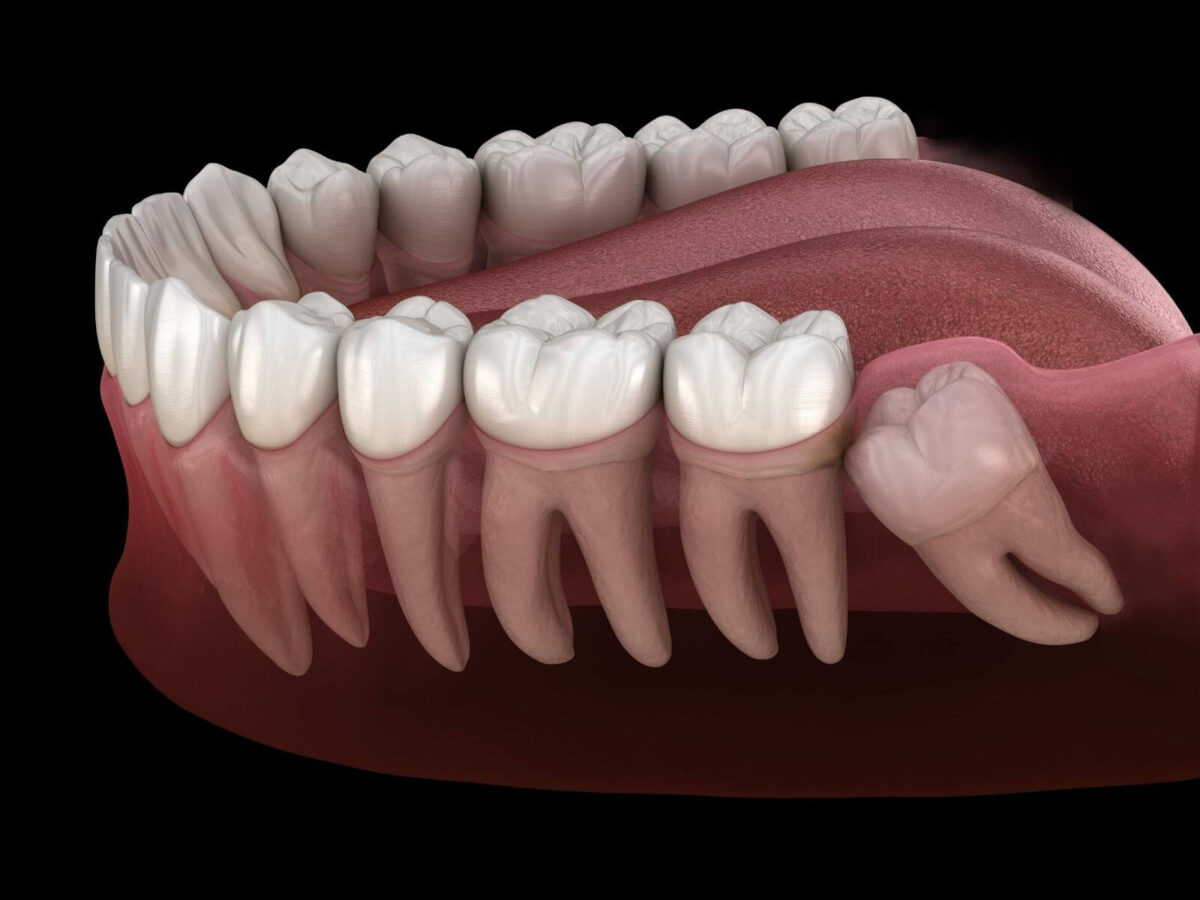
Modern jaws tend to be smaller compared to those of older human populations. Wisdom teeth often do not have enough space to come in normally, especially the lower ones. Some stay trapped beneath the gums. Others grow sideways into neighboring molars.
That is why panoramic X-rays become part of wisdom tooth discussions so often during late teenage years. Not every wisdom tooth becomes impacted, though. Some erupt normally and never really cause major issues.
Why Dentists Watch Wisdom Teeth Closely
Partially erupted wisdom teeth collect plaque very easily. Cleaning them is often difficult because of where they sit in the mouth. Partially erupted teeth also tend to trap food and bacteria near the gum tissue.
Infections around wisdom teeth are pretty common during the late teens and early twenties. Swelling near the jaw angle becomes one of the more recognizable signs.
Why Some People Never Develop Wisdom Teeth
Some people never get all four wisdom teeth. A few only develop two or three, while others do not form any at all. Dentists often spot this during orthodontic X-rays long before the usual eruption age. Researchers still look into the genetics connected to missing wisdom teeth. It also seems to happen more often now compared to older generations.
The phrase “why are they called wisdom teeth” still gets searched a lot, even though some people never actually grow wisdom teeth.
What Does the Spiritual Meaning Of Wisdom Teeth Refer To
The phrase spiritual meaning of wisdom teeth shows up online quite a bit now. Some people connect wisdom teeth with growing older and moving into a different stage of life. Certain traditions viewed these teeth as a sign of maturity or personal change. Those interpretations are more cultural or spiritual than dental, of course.
Dentists mainly focus on the physical side of wisdom teeth. Eruption patterns, impaction, infections, and jaw space. That part stays much less symbolic during appointments.
Why Wisdom Tooth Removal Became So Common
A lot of wisdom teeth end up causing crowding or eruption problems. Some stay trapped under the gums for years. Others come through only partway and keep irritating the surrounding tissue. Pain near the back molars often starts around that stage. Questions about “why are they called wisdom teeth” usually sound more interesting than the actual experience of dealing with them.
The American Association of Oral and Maxillofacial Surgeons says impacted wisdom teeth may increase the risk of infection, cysts, and nearby tooth damage. Oral surgeons usually monitor them closely during late adolescence because of that.
Why Recovery Stories Around Wisdom Teeth Sound So Dramatic Online
Wisdom tooth removal videos became their own internet category at one point. Sedation clips, swollen cheeks, strange recovery stories. The procedure picked up a bigger reputation online than many other dental treatments.
Most recoveries are much quieter than the videos make them look, though. Soreness, swelling, and soft foods for several days. Ice packs. Then gradual improvement afterward. The internet tends to amplify the more chaotic experiences.
FAQs
How did wisdom teeth get their name?
The name is connected to the age when these teeth normally erupt. They usually show up later than the rest of the adult teeth.
Why is it called the wisdom tooth in older cultures?
Older societies connected those years of life with maturity. The later eruption of these molars became linked with wisdom.
What does the spiritual meaning of wisdom teeth refer to?
Some beliefs connect wisdom teeth with growing older and moving into a different stage of life. The symbolism around them has been around for a long time.
Are wisdom teeth useful anymore?
Some wisdom teeth work perfectly fine and stay healthy for years. Others become impacted or hard to clean properly.
Why are wisdom teeth removed so much?
Dentists often remove them because of pressure, swelling, infections, or crowding near the back molars. Sometimes the tooth never fully erupts either.
Conclusion
A lot of dental terms sound technical. Wisdom teeth somehow ended up sounding philosophical instead. The answer to “why are they called wisdom teeth?” is actually pretty ordinary. These teeth come in later than the rest, around the age people once connected with maturity. That old idea stayed attached to the name over time. The spiritual meaning of wisdom teeth gets discussed more now than it probably did years ago. Actual wisdom teeth, though, usually get associated with swelling, pressure, crooked eruption, things like that.
Wisdom teeth problems tend to get ignored until they become painful enough to interrupt eating or sleeping. Getting them checked early usually makes the whole process less stressful. Most dentists can tell pretty quickly from an exam and X-rays what direction the teeth are moving in.