Blog
Dental hygiene tips for healthy teeth & gums
The Role of Bone Grafting in Dental Implant Success
Most people think a dental implant is just about the new tooth. But it’s really about what’s underneath. Without a strong bone to anchor it, that shiny implant doesn’t stand a chance.
This is where bone grafting comes in. Not everyone needs it, but when your Devine Dentist TX says it’s necessary, it’s not just an extra step. It’s the difference between a lasting result and one that fails before its time.
What Bone Grafting Actually Is
Think of planting a tree in loose sand. It may stand at first, but every breeze puts it at risk. You’d add richer soil before planting, right? Bone grafting works the same way, only the “soil” is your jaw.
A dental bone graft procedure involves adding bone material to areas where the jaw is too thin or weak. Over time, your body accepts that material. It’s not “foreign” to your system. The graft becomes part of you. New bone cells grow into it. The weak spot turns solid.
The graft can come from a few different places. Sometimes it’s taken from your own body, other times from a donor or an animal, and it can even be made in a lab. The choice depends on your health, the size of the spot, and what your dentist thinks will work best. At your Devine Dental Office TX, this isn’t a rushed decision.
How Bone Loss Sneaks Up on You
Bone isn’t like concrete. It responds to the daily pressure of chewing. After a tooth is lost, the bone underneath doesn’t get the same pressure from chewing. Bit by bit, it wears away and becomes weaker.
Gum disease, injury, or infection can speed that up. Even how your teeth meet when you bite can also have an impact. And the tricky part? You won’t feel it happening. There’s no warning ache.
By the time you notice changes in your smile, the bone loss is often years in the making. Cheeks can look slightly hollow. The jawline changes shape. These shifts happen so gradually that you might only notice them in old photos.
Why It Matters for Dental Implants
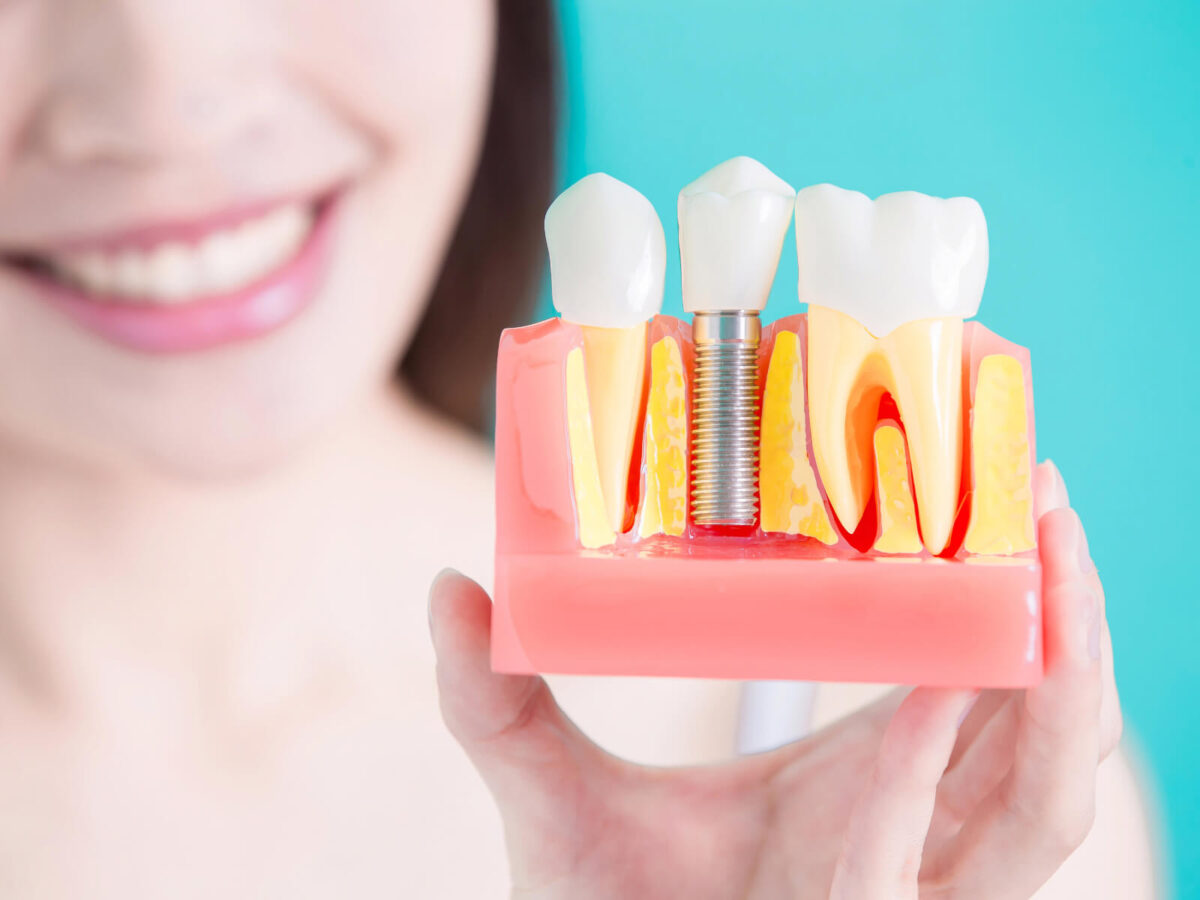
An implant isn’t just a crown on top. It’s a titanium post that needs to fuse with bone. That fusion is called osseointegration, and it only works when the bone is healthy and thick enough.
If there’s not enough bone, the implant can loosen over time. Sometimes it fails entirely. Bone grafting solves the problem before it happens. You wouldn’t put up a house without making sure the base is solid first.
Forgoing the graft can seem like the easier choice at first. But repairing a failed implant later? It’s far more expensive, time-consuming, and frustrating.
How Dentists Decide If You Need It
It’s not a guessing game. Your Devine Dentist TX will use scans to see the exact shape and density of your jawbone. Areas that are thin or hollow become very noticeable.
Common reasons for needing a graft include:
- A tooth missing for years
- Bone loss from gum disease
- An injury to the jaw
- Natural bone structure that’s too thin in spots
In some cases, the bone graft is done at the same time as the dental implant. Others heal from the graft first, anywhere from three to nine months, before moving on.
Different Types of Bone Grafts
Not all bone grafts are the same:
- Autograft: Bone from your own body, often from the jaw or hip. Heals well because your body instantly recognizes it.
- Allograft: Donated human bone that’s thoroughly treated to ensure it’s safe.
- Xenograft: Bone taken from an animal source, most often a cow.
- Alloplast: A synthetic material that acts like bone while your body grows new cells.
Your Devine Dental Office, TX, will explain the pros and cons of each. Some patients want the fastest healing. Others care more about avoiding extra surgical sites. No single answer works for every person.
A Closer Look at Each Step
Most patients expect something dramatic. In reality, it’s more controlled and calm than you’d think.
You’ll be numbed completely. Some choose sedation so they can nap through it. The gum is gently opened, the graft material is placed, and sometimes a thin membrane is added for protection. Afterward, the site is sealed using small sutures.
The real magic isn’t what happens in the chair. This is what takes place during the following months. Your bone and the graft start to blend. Slowly, they become one.
Recovery: The Part No One Talks About
Let’s be honest, recovery is where patients either set themselves up for success or run into trouble.
For the first few days, swelling is normal. Some soreness, too. Your dentist might suggest ice packs, soft foods, and careful cleaning. Oatmeal, soups, yogurt, mashed potatoes — boring, maybe, but your mouth will thank you.
One patient I remember, let’s call him Daniel, came in worried about his swelling. Turned out, he had decided pizza was “soft enough” three days after surgery. Lesson learned: follow the soft-food rule.
Healing time depends on the graft’s size. Minor grafts may be ready for implants in about three months. Larger ones may take six to nine. It’s slow work, but worth it.
Risks: Why They’re Rare
Like any surgery, there’s a small risk of infection, swelling, or the graft not bonding well. Choosing a skilled Devine Dentist in TX cuts those odds way down.
The biggest “risk” is usually impatience. Bone needs time to become strong. Push it too soon, and you undo the work.
Why It’s Worth the Wait
A solid graft means a solid implant. That means your new tooth feels like it’s always been there. It feels just like a real tooth when you chew. It doesn’t shift or move when you smile. Laughing won’t bother it either. Even biting into something crunchy feels natural and secure.
Bone grafting also preserves your facial shape. If it’s not done, losing bone can make your cheeks look hollow. For some patients, that alone is worth the procedure.
A Final Word
Bone grafting might not be the star of your smile makeover, but it’s the quiet hero behind the scenes. Without it, implants can’t do their job.
At your Devine Dental Office in TX, the focus isn’t just on getting you a tooth. It’s about making sure that the tooth lasts. Bone grafting is one way to make that happen.
Picture it this way: the firmer the ground, the sturdier the structure. Your smile deserves a foundation just as strong.