Blog
Dental hygiene tips for healthy teeth & gums
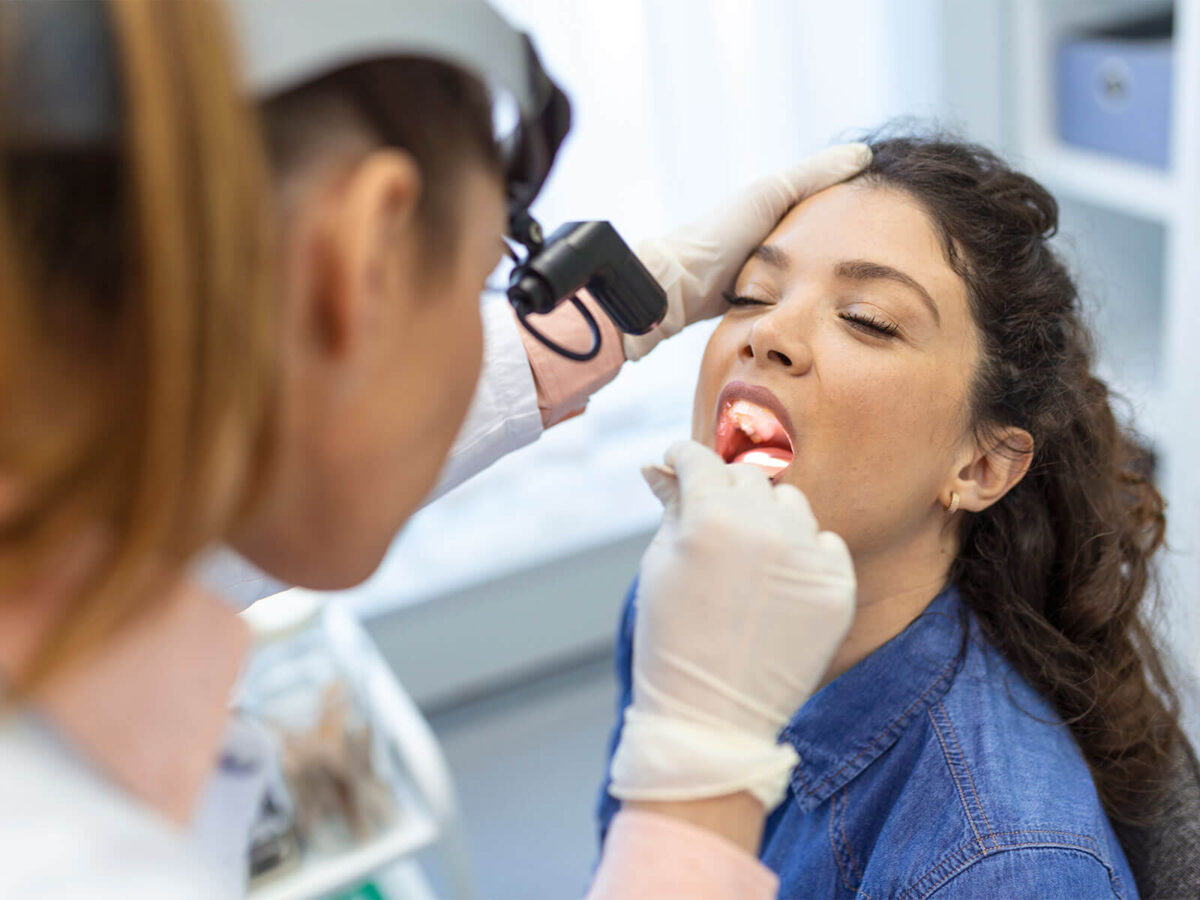
Oral Cancer Screening Benefits for Patients of All Ages
People rarely think about oral cancer while sitting in the dental chair. The attention goes to teeth first. Then gums. The cleaning wraps up, and the visit feels routine. Cancer seems heavy and far removed from something as ordinary as a checkup.
That mindset is one reason oral cancer screening can go unnoticed, even when it happens right there during the exam. It doesn’t stop the flow of the visit. No big announcement happens. It feels quiet and almost invisible, like a small step that doesn’t seem urgent.
Questions about oral cancer screening benefits often come after hearing about someone’s experience. A problem caught early. A diagnosis that came late. That’s usually when the screening begins to feel meaningful.
Why Oral Cancer Screening Is Part Of Dental Visits
Dentists see areas that most people never look at closely. The tongue, the floor of the mouth, the back of the throat, and the soft tissues that don’t hurt until something is wrong.
Oral cancer screening isn’t dramatic. Most of the time, it’s about small changes that don’t announce themselves at all. Small colour shifts that are hard to notice. Texture changes. Areas that don’t heal the way they should.
This is where the benefits of oral cancer screening begin. Early changes are easier to manage than late discoveries.
Early Detection Changes Results
One of the biggest oral cancer screening benefits is timing. When oral cancer is caught early, treatment is often simpler. Less invasive. More successful.
The problem is that early oral cancer rarely causes pain. There’s no alarm bell. No obvious signal. That’s why screenings matter. They don’t rely on symptoms to show up first.
This quiet advantage is easy to underestimate until it’s needed.
Why Age Doesn’t Exclude Anyone
Because oral cancer is often talked about in connection with older adults, younger patients sometimes assume screening doesn’t apply to them. That assumption doesn’t always match reality. Risk varies, and changes can develop even when someone doesn’t seem like an obvious candidate.
This is why the oral cancer screening benefits extend beyond any single age group. The point of screening isn’t prediction. It’s early awareness, noticing changes when they’re small instead of after they’ve had time to progress.
Screening Isn’t Invasive
Many people imagine screenings as complex or uncomfortable. In reality, they’re usually quick and gentle.
Dentists visually examine tissues and feel for abnormalities. Some offices use light-based tools to highlight changes. There’s no cutting, or pain, or recovery.
That ease is one of the more overlooked benefits of oral cancer screening, mostly because it blends into a regular visit without calling much attention to itself.
Why Symptoms Are A Late Sign
People often believe they’ll feel something if cancer is present. Pain, swelling, or something obvious. Oral cancer doesn’t always work that way.
Not all early changes come with pain. They might look like a small sore, or a white or red patch that doesn’t feel like a big deal.
Screenings exist because symptoms often show up later than they should. That reality sits at the centre of the oral cancer screening benefits discussion. That reality sits at the centre of the oral cancer screening benefits discussion.
Peace Of Mind Matters More Than People Admit
There’s something reassuring about being checked, even when the result is simply that everything looks normal. Knowing that someone took the time to look closely can matter more than people expect.
That relief is one of the quieter benefits of oral cancer screening. It doesn’t add stress or urgency. It just replaces uncertainty with a clearer sense of where things stand.
Dentists Are Trained To Notice Patterns
Dentists don’t just look once and move on. They track changes over time. What looked normal last year, and what looks different now.
That continuity is important. Small changes are easier to spot when someone knows what your mouth usually looks like. This long view strengthens the oral cancer screening benefits even further.
Screening Doesn’t Mean Diagnosis
Finding an unusual area doesn’t mean cancer is present. Many changes are harmless, like irritation, trauma, or an infection.
Screening is about noticing things, not labelling them. It’s easy to assume it leads straight to conclusions, which is where a lot of the worry comes from. In reality, it usually reduces uncertainty instead of creating more of it.
Why Skipping Screenings Can Delay Answers
If screenings don’t happen, changes can sit quietly for a while. There’s often no sign right away. When symptoms finally show up, the situation can feel more complicated than expected.
Delayed detection often leads to more involved treatment. More stress. More uncertainty. This contrast highlights the practical oral cancer screening benefits of early checks.
Lifestyle Factors Make Screening More Relevant
For some people, lifestyle factors make screening feel more relevant. Habits and exposures can raise risk, which naturally brings screening into the conversation sooner rather than later.
But screening doesn’t stop there. It isn’t only for people who seem high risk. It’s meant to spot things that appear without warning, which is why it stays part of routine care, even without clear risk factors.
Why Screening Is Repeated Over Time
One screening doesn’t cover a lifetime. Changes can develop later. That’s why oral cancer screening is repeated periodically.
This ongoing attention is part of the long-term benefits of oral cancer screening, because it acknowledges that health evolves.
Why Many People Don’t Realise They’ve Been Screened
A lot of screenings happen quietly during routine exams, mixed in with everything else that’s already happening. Dentists don’t always stop to explain each step as it’s happening, and the visit doesn’t really pause in a way that signals something separate or serious is going on. From the patient’s side, it can all blur together. The exam continues, the chair moves, the light shifts, and nothing feels noticeably different.
Because it’s handled that way, people can walk away without realising how much was actually checked. When someone understands what the dentist is looking at and why those checks matter, the oral cancer screening benefits don’t feel so easy to dismiss. They start to make sense as part of the visit, not something separate that needs a spotlight.
Screening As Part Of Preventive Care
Preventive dentistry usually gets framed around cavities because that’s the part people recognise. Fillings are familiar. Decay is easy to picture. But oral health doesn’t stop at teeth, and it doesn’t stop at what shows up on X-rays either. There are soft tissues involved, areas that don’t hurt, don’t look obvious, and don’t give much warning when something starts to change.
Screening fits into that wider idea of prevention. It doesn’t feel urgent in the moment. Nothing about the visit suddenly shifts because of it. It comes down to paying attention over time. Some areas don’t warn you early, and small changes can be easy to miss unless someone is watching for them. Since it happens quietly as part of a routine visit, its importance isn’t always obvious.
Final Thoughts
The oral cancer screening benefits aren’t the kind you immediately notice. There’s no big signal that something important just occurred. Instead, they show up over time, often in the form of things that never develop into larger problems.
Screening happens quietly in the background. Sometimes it finds something early. Sometimes it confirms everything looks fine. Both outcomes matter, even if neither one feels dramatic at the time.
If you’re unsure whether oral cancer screening is part of your dental visits, that’s fairly common. It often happens quietly without much explanation. Seeing the benefits of oral cancer screening in that context can make preventive care feel less limited to teeth and more connected to long-term oral health at any age.