Blog
Dental hygiene tips for healthy teeth & gums
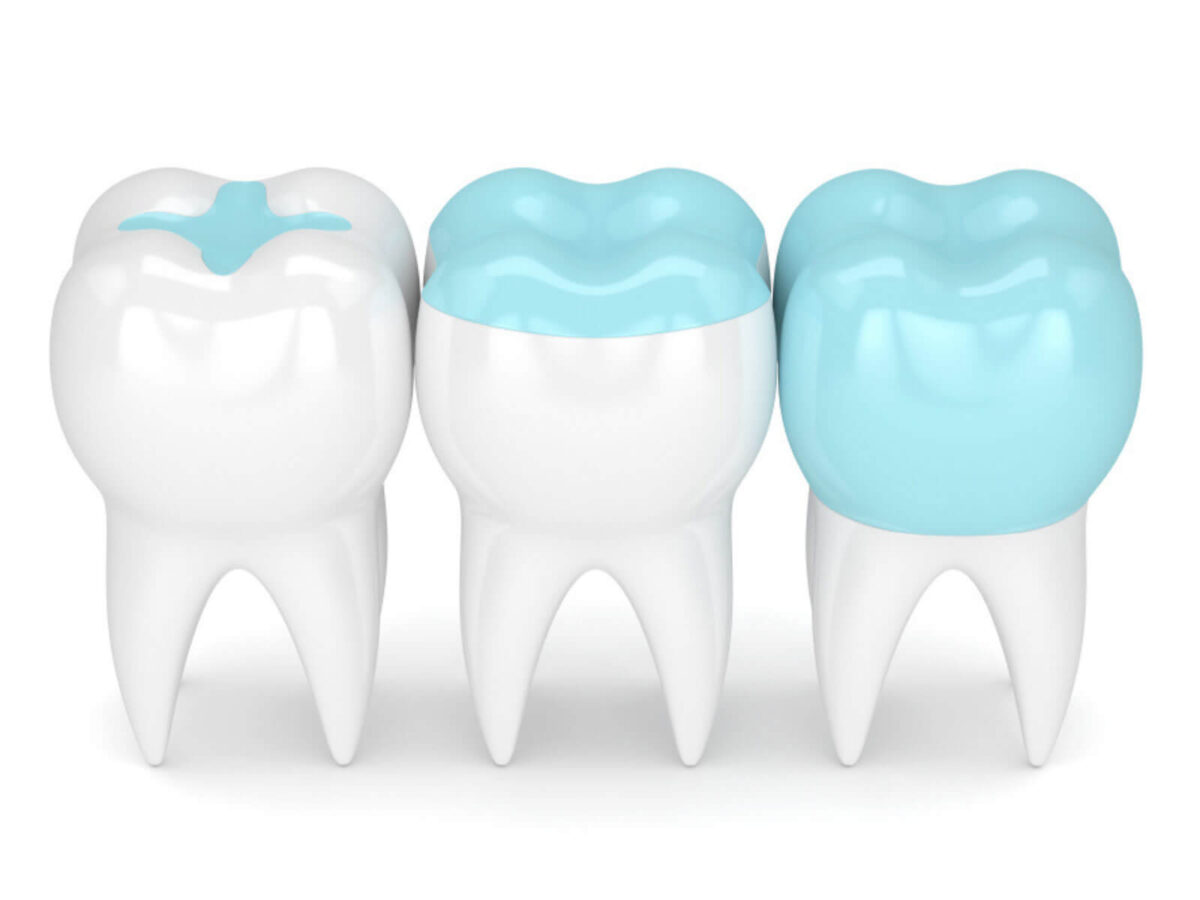
Dental Inlay vs. Filling: What’s the Difference?
When a dentist says a tooth needs repair, it often sounds simple enough. Most people hear “filling” and think that’s the answer. Case closed.
Then another option comes up. That’s when people pause. More questions start popping up. Patients begin looking into dental inlay vs filling and realise the decision isn’t as straightforward as it first sounded.
Both options repair damaged teeth. Both are meant to bring strength back and help the tooth work properly again. But they aren’t identical. How each one is done can vary, and when it’s used depends on the situation. Knowing that makes the choice feel less confusing.
How Fillings Work
A filling is the most common way cavities are handled. Dentists rely on this method often. The decay is removed first, then the open space is filled with a restorative material. That material stays in the area where the decay used to be. It helps seal the tooth and keeps the damage from getting worse.
Fillings are usually done in one visit. That alone is why they’re used so often. They work best when decay is limited. Small to moderate cavities are usually where fillings make sense. Composite fillings are tooth colored. They don’t stand out much, so people tend to pick them.
Because a filling goes directly into the tooth, it relies on whatever tooth structure is left. When the damage is small, that usually isn’t a problem. With larger cavities, that lack of support can start to matter.
What Is A Dental Inlay?
A dental inlay is a piece made to repair part of a damaged tooth. It fits into the affected area. Unlike a filling, it isn’t placed right away during the same visit. The inlay is made outside the mouth first and then bonded into the tooth.
Inlays are made from porcelain or composite. They fit into the tooth and help hold it. This choice is usually given when the damage is more than a filling can manage, but not serious enough for a crown.
Dental research suggests that inlays can hold up well over time when they’re placed properly. Studies that followed indirect restorations have found better durability in larger cavities, especially in back teeth that take on more chewing force.
Dental Inlay Vs. Filling: When Is Each Used?
With dental inlay vs filling, the main factor is how much of the tooth is affected. If the cavity is small, a filling usually does the job without needing anything more. It’s quick, it works well, and it costs less upfront, which is why it’s used so often.
As decay spreads and affects a larger area, fillings don’t always hold up the same way. Over time, this can place more stress on the remaining tooth. In cases like that, an inlay can give better support. Because it’s made outside the mouth, it fits more precisely and helps spread chewing force instead of focusing it in one area.
Before recommending one option, dentists look at several things. Tooth strength matters. Bite pressure matters too. Durability over the long run is something dentists think about too. Looking at all of this helps decide whether a filling will work or if an inlay is a better fit.
How Do They Feel During Treatment?
Patients often worry about discomfort. In terms of sensation, a tooth inlay vs filling feels very similar at the start. Since local anesthesia is used in both cases, sharp pain isn’t something most patients feel.
With a filling, treatment usually ends in one visit. With an inlay, the tooth is prepared first, and an impression or scan is taken. A temporary filling may be placed while the inlay is being made. The final inlay is bonded during a second visit.
Some soreness is common after either option. As the tooth adjusts, sensitivity usually goes away in a few days.
Which One Holds Up Longer: Inlays Vs. Fillings
One of the first things people notice when looking at inlays vs. fillings is how long they last. Fillings can last for years if cavities are small and oral care is good. In many cases, that’s enough. In larger cavities or certain spots, fillings tend to wear out faster.
Inlays tend to last longer in some situations. Because they’re custom-made and use stronger materials, they often handle wear better. They can resist cracking and pressure more effectively in certain teeth. Clinical studies have shown that indirect restorations, such as inlays, often perform well over ten to fifteen years when placed correctly.
That doesn’t mean inlays are always the better choice. It just means they work better in some cases, based on the tooth.
Cost Differences Between Dental Inlays And Fillings
Cost is often part of the decision. Fillings usually cost less upfront. They require fewer materials and less lab work.
Inlays cost more because they are custom-made and often involve two visits. Materials like porcelain also add to the price. Still, some patients view the higher cost as an investment because of the potential for a longer lifespan and reduced need for replacement.
According to dental cost surveys, inlays often come with a higher initial cost. Still, they may help cut down on future repairs when restorations are larger. [Source]
Which One Protects The Tooth Better?
In certain situations, inlays can support weak areas of the tooth and help strengthen what’s left, reducing the risk of cracks. Fillings work well when there’s plenty of natural tooth structure. When damage goes beyond a certain point, a filling may not be enough. That’s when dentists often suggest an inlay. This difference helps to define why suggestions vary.
Recovery And Aftercare: Is There A Difference?
Fillings tend to heal fast. Many people can eat normally again the same day after the numbness goes away.
Inlays can take a bit more time. The bonding process can cause some mild sensitivity at first. It’s usually temporary. Normal eating typically returns within a day or two.
Oral care plays a role either way. Regular cleaning and routine checkups help keep things in line.
Which One Looks Better?
Both options can look natural. Composite fillings match the tooth colour and are usually placed where the tooth shows. Porcelain inlays are fitted to the tooth. They tend to keep their colour longer and resist staining more than many fillings. Appearance alone doesn’t decide treatment, but it can matter to some people.
Conclusion
Choosing between a dental inlay vs filling depends on the tooth itself. It also depends on how you bite and what the tooth needs long-term. Fillings usually work for small areas of decay. They’re quick, and they cost less. That is why they’re usually used first.
Inlays are used when repairs are larger. They add more strength when a tooth needs it. That’s usually the difference.
If it’s not clear which option fits, a dental exam helps. A dentist can explain whether a tooth inlay vs. filling makes more sense in that situation. Knowing the difference between inlays vs fillings helps with the decision, even if the choice isn’t obvious right away.