Blog
Dental hygiene tips for healthy teeth & gums
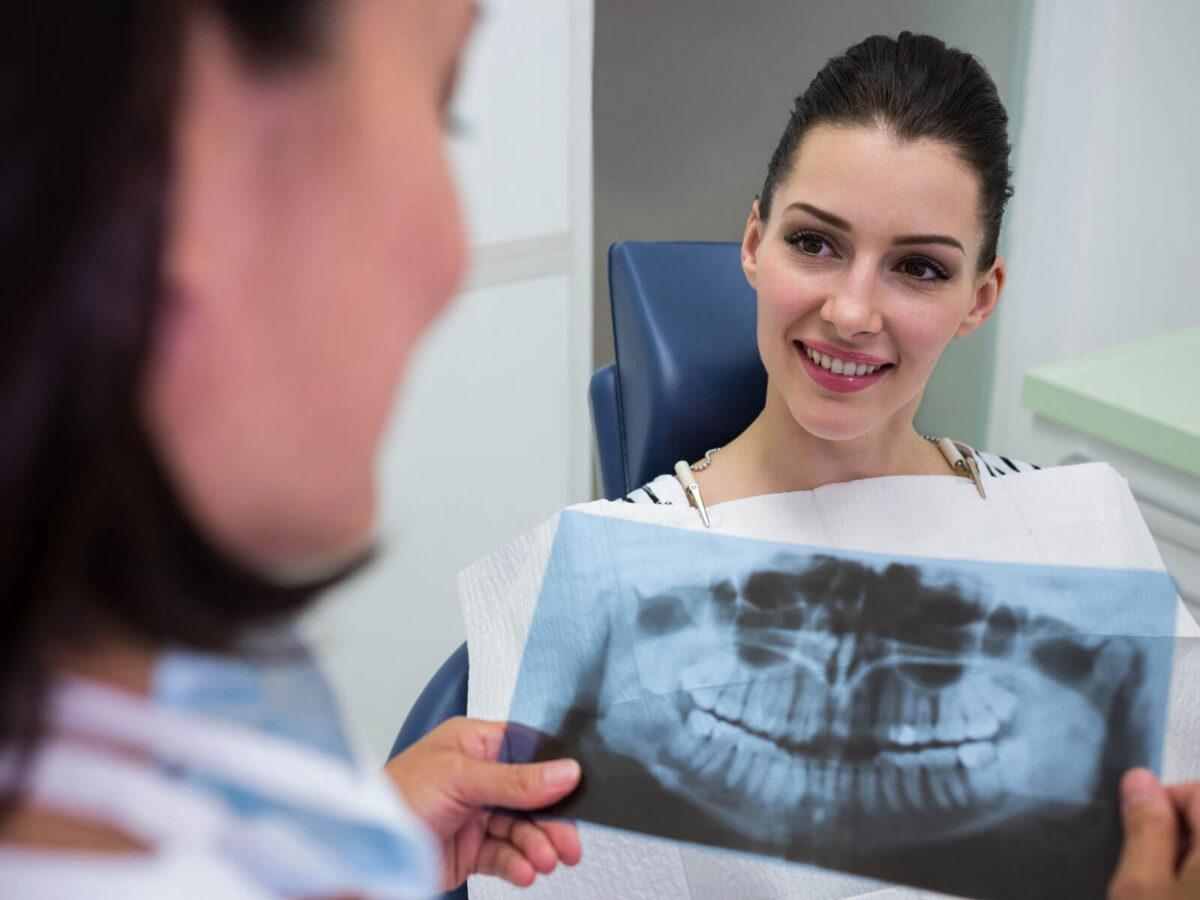
Are Dental X-Rays Safe During Pregnancy? What the ADA & OBGYNs Say
A friend of mine covered her stomach with both hands the second the dentist mentioned an X-ray, eight weeks pregnant and convinced she was about to do something reckless. Her dentist didn’t even blink. Pulled out the lead apron, took the image, moved on with the appointment like it was nothing.
That kind of fear is common, and it’s not backed by what the actual research shows. Every major medical and dental organization that’s studied “Are dental X-rays safe during pregnancy?” has landed on the same answer: yes.
Are Dental X-Rays Safe During Pregnancy
Yes, according to organizations that don’t usually agree on much else without a fight. The ADA states plainly that dental radiographs, along with local anesthesia, are safe at any point during pregnancy. That’s not a hedge or a soft recommendation. It’s stated flat out, no trimester carve-out attached.
ACOG backs this up from the medical side. Their committee opinion on oral health care during pregnancy was developed jointly with the ADA, along with input from the Health Resources and Services Administration’s Maternal and Child Health Bureau. Two organizations representing dentistry and obstetrics, landing on the same “are dental X-rays safe during pregnancy” answer together.
How Much Radiation Does a Dental X-Ray Actually Involve
Barely any, in the scheme of things. A standard dental X-ray delivers somewhere around 0.005 to 0.01 millisieverts, a fraction of what background radiation exposes everyone to just walking around on an average day. The beam itself is also localized tightly to the mouth, with the actual body of the uterus sitting well outside its path.
I’ve seen this compared to a cross-country flight, since cosmic radiation at altitude adds up to a measurable dose too, sometimes more than a single dental X-ray delivers. Put that way, the fear starts to look a little disproportionate to the actual physics involved.
Where This Old Fear About Pregnancy and X-Rays Comes From
Film-based X-ray machines from decades ago needed a much bigger dose to produce a usable image. That’s the equipment a lot of the fear traces back to, machines that don’t exist in most dental offices anymore. Digital sensors do the job now with about 80 percent less radiation, though the reputation from the old days has never really updated.
CT scans are the ones that actually warrant caution here. A dental X-ray somehow ended up grouped with them anyway, same fear, wrong math.
What Precautions Do Dentists Actually Take for Pregnant Patients
A lead apron over the abdomen and a thyroid collar are standard, recommended by the ADA and ACOG both, even though the radiation dose is already low enough on its own. Shielding is one of those belt-and-suspenders precautions, not strictly necessary given the numbers, but standard practice anyway.
Dentists also follow something called the ALARA principle, as low as reasonably achievable, using the minimum radiation needed to actually get a diagnostic image. Routine X-rays that aren’t urgent sometimes get pushed to after pregnancy simply out of caution, which is really the practical answer to “are dental X-rays safe during pregnancy” once shielding and dose minimization are already standard.
Is Everything at the Dentist’s Office Equally Safe During Pregnancy
Not quite. X-rays get most of the blame, but nitrous oxide is the one thing the ADA actually flags as a real concern, classified as a pregnancy risk category with a documented chance of fetal harm if used during pregnancy. Both patients and pregnant dental staff are advised to avoid exposure to it.
Local anesthetics don’t carry that same warning. Neither does the imaging. Nitrous oxide sedation is really the single item on a dental visit checklist worth flagging directly with a dentist ahead of time, since it’s an easy one to swap out for a different approach to managing anxiety or discomfort during treatment.
Is There a Trimester Where X-Rays Should Be Avoided
Not according to the guidance itself, though some patients still choose to wait. The American Pregnancy Association notes some women elect to avoid dental work specifically during the first trimester, since that’s the most sensitive window for fetal development generally, even while acknowledging there’s no actual evidence of harm from visiting the dentist during that time.
Emergency treatment doesn’t wait for a comfortable trimester either way. The ADA and ACOG are explicit that conditions requiring immediate care, such as an infection, a broken tooth, or active pain, can and should be managed whenever they come up, which is really the practical bottom line on “are dental X-rays safe during pregnancy” regardless of which trimester someone’s in.
What Happens If You Delay Necessary Dental Treatment During Pregnancy
The risk actually runs the other direction, more than most people expect going in. Untreated dental infections don’t stay contained. Left alone, they can worsen into something requiring more invasive treatment later, and in some cases, the bacteria involved have been studied for a possible connection to pregnancy complications.
ACOG’s own data found only 44 percent of pregnant women visited a dentist during pregnancy at the time their guidance was written, despite pregnancy itself raising the risk of gum problems through hormonal changes. Avoiding the dentist out of caution ends up working against the exact outcome patients are usually trying to protect.
What Information Should a Pregnant Patient Give Their Dentist
Say it out loud at the start, even if it’s already sitting in your file somewhere. How far along you are, any complications, what medications you’re on, none of that’s just paperwork. It shapes how the dentist actually plans the visit.
Chair positioning matters more as pregnancy progresses, too. Lying flat becomes uncomfortable, sometimes actually dizzying, in the later trimesters, and most dentists will adjust the chair angle or add breaks without being asked if they know that’s a concern going in.
FAQ
Is it safe to have dental X-rays while pregnant in the first trimester specifically?
Yes, according to ADA and ACOG guidance, with no trimester-specific restriction in either organization’s recommendations. Some patients choose to wait anyway out of personal comfort, which is a reasonable choice even without a medical reason behind it.
Does the lead apron actually make a meaningful difference given
how low the radiation already is?
It adds an extra layer of protection on top of an already minimal dose, more a standard precaution than a necessity based on the numbers alone. Every dentist uses it anyway, since there’s zero downside to a simple extra step.
Do fillings and root canals get the same green light as X-rays during pregnancy?
Restorative work, extractions, root canals, all considered fine at any stage. Waiting doesn’t help. It usually just gives the underlying problem more time to get worse.
Do I actually need to loop in my OB-GYN before dental work?
More of a nice-to-know than a requirement for routine care. ACOG actually recommends OB-GYNs bring up oral health proactively at prenatal visits, so there’s a good chance the topic comes up either way.
Conclusion
Every major organization that’s studied “Are dental X-rays safe during pregnancy”- the ADA, ACOG, and the groups that helped build the joint guidance between them- says yes, with shielding as a standard extra precaution rather than a necessity.
If a dentist recommends an X-ray during pregnancy, that recommendation isn’t casual. It’s backed by the same guidance obstetricians themselves follow. Skipping necessary dental care out of a fear that isn’t supported by the actual radiation numbers tends to create more risk than it avoids.