Blog
Dental hygiene tips for healthy teeth & gums
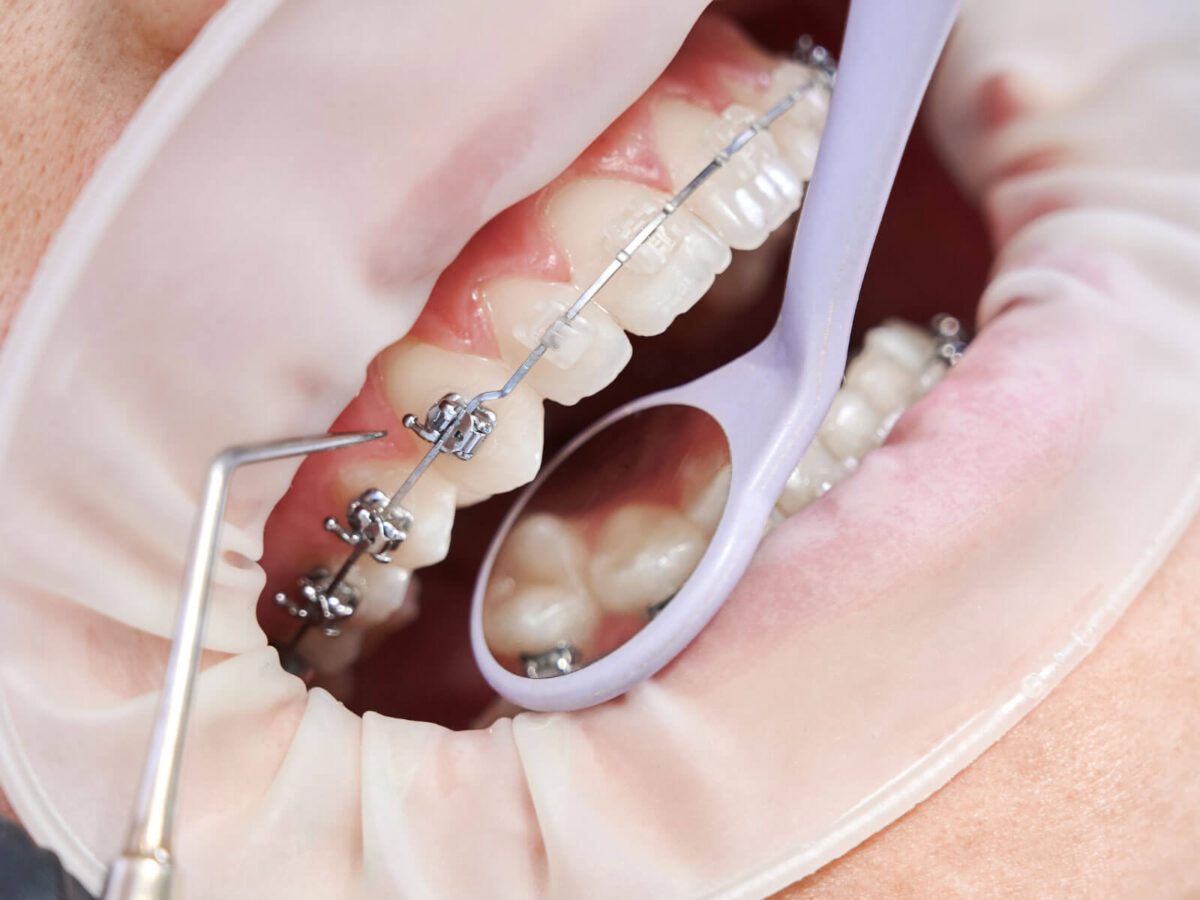
How Much Do Braces Cost in 2026? By Type, With/Without Insurance
$8,500 was the first number my coworker heard for her kid’s braces. She figured the practice was overcharging. It wasn’t the price that was wrong. It was the type. Lingual braces sit hidden behind the teeth, and that positioning alone pushes the cost up more than most people expect going in. A second quote for standard metal brackets came in under $5,000 for the exact same bite correction.
Same correction, two prices thousands apart, just based on which type got picked. That’s how much do braces cost in a nutshell.
How Much Do Braces Typically Cost Overall
Most comprehensive treatment in the US runs somewhere around $3,000 – $8,000, with a national average landing close to $5,000, based on 2026 cost data compiled from ADA fee reporting and industry pricing surveys. That’s a wide range on purpose. The type of braces, treatment length, and how complex your bite is all move that number substantially in either direction.
A lot of the specific dollar figures floating around online come from orthodontic marketing sites and cost-aggregator services, not clinical research, since pricing simply isn’t something medical journals track.
I’ve pulled from several independent 2026 sources that broadly agree with each other, but treat any single number as a starting estimate, not a quote. The only real answer to “how much do braces cost” for a specific case comes from an actual consultation.
How Much Do Metal Braces Cost
$3,000 to $7,000, on the low end of the spectrum compared to everything else. Metal brackets have stuck around for decades, not because they’re cheap, but because they handle nearly every case, mild spacing all the way through severe bite correction, with a level of predictability newer materials still haven’t fully matched.
That predictability is part of why orthodontists reach for metal so often, even when a patient would prefer something less visible. Complex cases sometimes just need what metal does best.
What Ceramic Braces Actually Run You
Ceramic runs higher, roughly $4,000 to $8,500, one of the pricier answers to how much braces cost once you factor in the material itself. The brackets are tooth-colored or clear, blending in from a few feet away in a way metal never will. Mechanically, they work almost identically to metal braces, with the same wires and the same basic adjustment process.
The tradeoff shows up in maintenance. Ceramic brackets stain more easily than steel, coffee, and red wine, especially, and they chip more readily too. A few broken brackets over the course of treatment usually get replaced without extra charge. Chronic breakage can start adding to the bill.
Invisalign vs. Other Clear Aligners – What’s the Real Cost
$3,000 to $8,000, roughly the same ballpark as braces, though the range swings wider here since brand and case complexity both push the number around more than fixed braces do. Invisalign specifically lands toward the top of that range, partly the brand name, partly the extra training orthodontists need to offer it.
Mild to moderate cases can actually come in cheaper than a full brace treatment, fewer aligner sets, and a shorter timeline.
Removability is the whole selling point, eating and cleaning without brackets in the way, but that only pays off if the trays are actually worn 20 to 22 hours a day. Skip that discipline, and treatment drags on, sometimes taking the total cost with it.
Lingual Braces: Why the Price Jumps So Much
Six to thirteen thousand dollars. That’s the range, and it’s steep because these brackets hide behind the teeth, not in front. Nobody sees them across a table.
Getting there costs the orthodontist too. Each bracket is custom-molded to fit the back of one specific tooth, and not every practice invests in the specialized training placement requires. Fewer providers mean less competition, which keeps the price up on its own.
Expect a rougher adjustment period as well, more discomfort early on, and a real learning curve with speech, both worth weighing against the price tag.
Does Insurance Actually Cover Braces
Sometimes, and differently from what most people expect from dental coverage generally. Orthodontic benefits typically come through a separate lifetime maximum, not your regular annual dental maximum, usually somewhere between $1,000 and $3,000 depending on the plan. That number applies once, for the whole treatment, not per year.
Coverage for kids shows up far more often than coverage for adults in standard employer dental plans. An adult asking “how much do braces cost” with insurance should check specifically whether their plan includes any orthodontic rider at all before assuming a quoted price will drop.
How Much Do Braces Cost Without Insurance
The full sticker price, whatever the specific type runs, is $3,000 on the low end for metal up to $13,000 for lingual on the high end. Most orthodontic offices offset that with in-house payment plans, commonly $89 to $250 a month, depending on the total and down payment, often at 0% interest.
HSA and FSA funds count as eligible medical expenses for orthodontic treatment too, a real way to reduce the effective cost using pre-tax dollars. Paying the full amount upfront sometimes earns a discount directly from the practice, worth asking about even if it’s not advertised.
Are Braces More Expensive for Adults Than Kids
Usually, by roughly $500 to $1,500. Adult teeth move through denser bone than a teenager’s still-developing jaw, which tends to stretch treatment time and, with it, total cost. Prior dental work, crowns, bridges, and existing fillings, can also complicate bracket placement or tooth movement in ways a straightforward teenage case rarely involves.
Insurance compounds the gap further, since coverage skews so heavily toward kids in standard plans. An adult on the exact same treatment timeline as a teenager often ends up paying meaningfully more out of pocket, one more factor behind the cost of braces depending entirely on who’s in the chair.
What Actually Drives the Total Cost Beyond Just Type
Treatment length matters more than people initially assume. Each additional year in braces adds real cost, more adjustment visits, more materials, sometimes appliance replacement, and commonly another $1,000 to $2,000 tacked onto the total for cases that run long.
Case complexity is really what’s driving that length. A mild crowding case can be done in a year and a half. Something more involved, real bite correction, an impacted tooth, can push that timeline out to three years, and the bill grows with every extra month spent in adjustments.
Where the office is located matters too, sometimes swinging the price 20 to 40 percent between a city and the suburbs just outside it. Some families end up driving further just to land on a better number.
FAQ
Does going with Invisalign automatically mean paying more than metal braces?
Not always. For minor corrections, some aligner packages actually cost less than a full metal brace treatment. For complex cases requiring more aligner sets and a longer timeline, Invisalign often runs comparable to or above metal braces.
Can adults get orthodontic coverage through insurance?
Less often than kids, but it does exist on some plans. Best to call the insurer and ask outright rather than assume a dental plan covers it automatically.
Do dental schools offer cheaper braces?
Often, yes. Dental schools and teaching clinics frequently offer reduced rates for orthodontic treatment performed by supervised students, a real way to lower cost for anyone willing to accept a longer, more instructional appointment structure.
Are mail-order clear aligners a safe way to save money on braces?
Orthodontists tend to advise against it. Without in-person clinical supervision, tooth movement can go wrong in ways that end up costing more to fix than a professional would’ve charged in the first place.
Conclusion
$3,000 covers a straightforward metal case on the low end. $13,000 covers a complicated lingual case on the high end. Everything in between comes down to type and complexity, and how much braces cost for any one person depends heavily on both. When insurance applies, it usually works through a separate lifetime maximum, not the same pool that pays for cleanings.
Don’t stop at one consultation. The same correction can come back priced thousands apart depending on the office, and that gap alone is worth a second visit before signing anything.