Blog
Dental hygiene tips for healthy teeth & gums
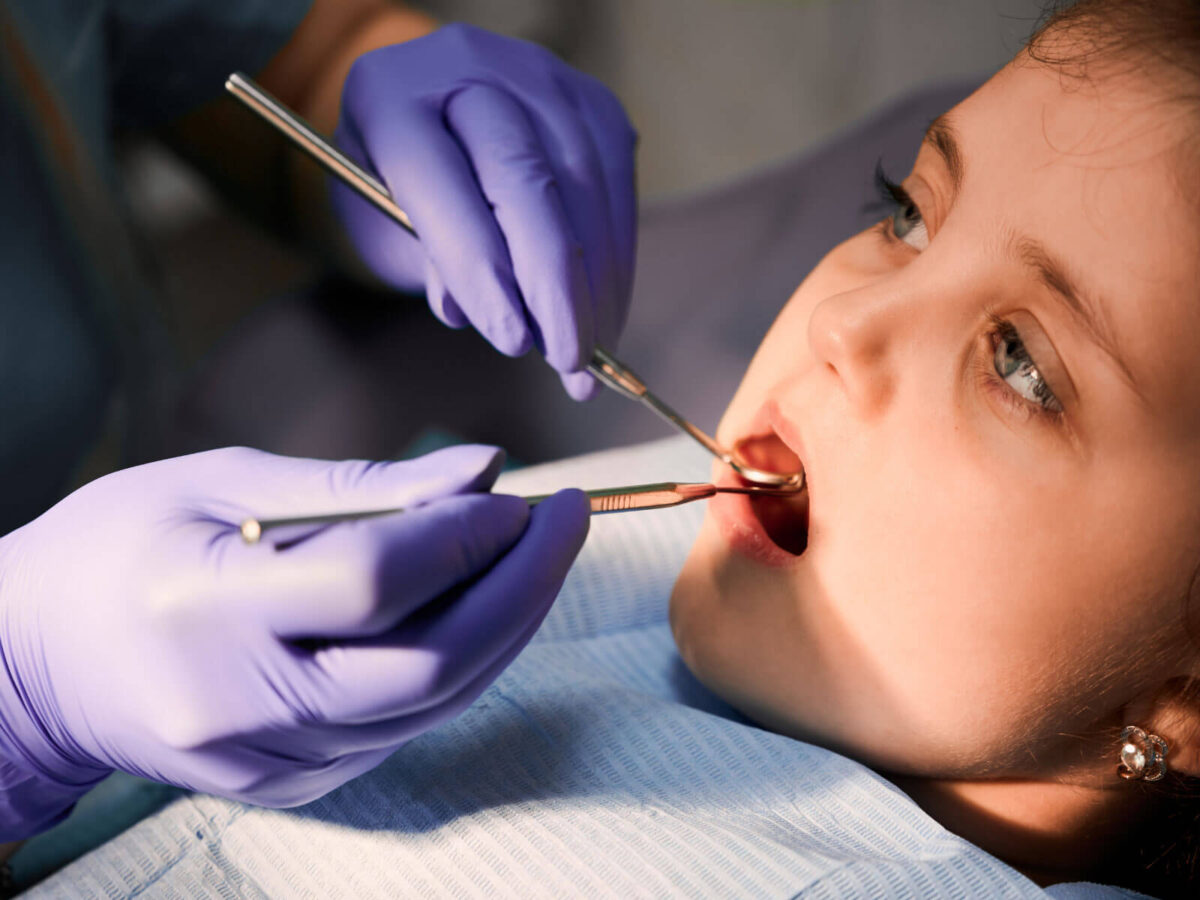
What Are Dental Sealants for Kids?
At some point in a checkup, sealants get mentioned. The focus is on the back teeth and keeping them protected. It doesn’t feel like a major decision while you’re sitting there.
Once you’re home, you may think about that discussion again. Nothing sounded pressing during the visit, but because it concerns your child, it sticks with you a bit longer. You start wondering whether it’s something they really need or just commonly offered.
You might end up reading about dental sealants for kids out of simple curiosity. You learn that back molars aren’t smooth. They have little grooves that can hang on to food more easily than the front teeth. Even with decent brushing, those areas can be tricky.
Still, you also know kids are different. Some go years without a cavity. Others seem to get them despite everyone’s best efforts.
That’s usually when it becomes less about fear and more about practicality. Sealants aren’t dramatic. They’re just one way to lower the chances of decay during the years when cavities tend to show up most often.
What Dental Sealants Actually Are
If you really look at your child’s back teeth, you’ll notice they’re not smooth at all. The molars have tiny lines and dips across the top. That’s normal. They help with chewing. But those same spots can hang onto bits of food. Even with steady brushing, some areas just don’t get fully cleaned.
Sealants are basically a light coating that the dentist places on the tops of those back teeth. It goes on as a liquid and then hardens, covering the little grooves where food usually sits.
It doesn’t change how the tooth looks much. It doesn’t feel bulky. It simply creates a barrier between food particles and enamel. That’s the technical part.
In practical terms, sealants make it harder for cavities to start in the spots where they most often begin.
Why Dentists Recommend Them So Often
Tooth decay during childhood isn’t unusual, even in families who try to stay on top of brushing. Kids are still learning techniques. They rush. They miss spots. Kids are still figuring out brushing. They snack between meals. They rush. Back molars aren’t the easiest teeth to keep spotless.
It isn’t about adding something unnecessary. It’s about lowering risk while habits are still developing.
The Benefits of Dental Sealants for Kids
When the topic of the benefits of dental sealants for kids comes up, it usually comes down to one basic idea. They help prevent cavities.
That’s not a small number. But the benefits go beyond statistics.
Sealants are quick to apply. There’s no drilling. No injections. The steps are simple. Clean the tooth and dry it. After that, add the coating, and cure it with light. It’s over fairly quickly. For nervous children, that speed and ease can make the appointment feel more manageable.
Another thing parents consider is the long-term expense. Avoiding a cavity tends to be easier than fixing one once it’s there. Fillings can add up, and they’re not always stress-free for children. Early protection also supports proper chewing and speech, since those teeth guide how adult teeth develop over time.
When Are Sealants Usually Applied?
Most sealants are applied once permanent molars erupt. For many children, that happens near age six and again around twelve. Those early months matter. Right after they come in, molars have deeper ridges, and the outer layer is still settling. Children are brushing independently, but the technique isn’t perfect.
Adding dental sealants for kids at that stage offers protection when decay risk tends to be higher. Sometimes sealants are placed on baby teeth as well, although that’s less common and based on cavity history.
Are Dental Sealants Safe?
This is usually the next question. Some sealants contain trace amounts of BPA-related compounds, and hearing “BPA” understandably raises concern.
That doesn’t mean parents shouldn’t ask questions. It just means the evidence currently supports their safety.
Sealants are used for a large number of children every year. If there were serious safety concerns, dental guidelines would likely change.
Do Sealants Wear Out?
They aren’t lifetime solutions, but sealants are durable enough for long-term protection. Some remain effective for five years or more, especially if chewing habits aren’t too rough. At regular appointments, dentists look at them closely and reapply material if it has chipped.
This maintenance is simple. It doesn’t require starting from scratch. The idea isn’t that sealants protect forever. It’s those that they protect during the years when cavities are most likely to develop.
Do Sealants Replace Brushing?
Sealants sit on the top surface of back teeth. They don’t reach the sides or the spaces in between, so those areas still need attention every day. Routine checkups are just as important. That’s why the benefits of dental sealants for kids should be viewed as added support. They’re one part of prevention, not the whole plan.
Why Some Parents Hesitate
Even with statistics, some parents hesitate. And that’s normal. Any treatment feels like a decision. Some parents worry about materials. Others wonder whether their child really needs them. Maybe their child has never had a cavity before.
That’s where individualized assessment matters. Dentists look at groove depth, cavity history, and overall risk before recommending sealants. It shouldn’t feel automatic. It should feel thoughtful.
FAQs
Do kids have to get sealants?
No. It depends on cavity risk and the condition of the molars. Some children benefit more than others.
Why do dentists suggest them?
Because back teeth are harder to clean well. Sealants add a bit of protection where decay usually starts.
Is the process uncomfortable?
No. It’s a simple step and usually over pretty quickly.
Do they wear out quickly?
Usually not. Many last several years, and if one part chips, it can be fixed easily.
Conclusion
A lot of parents think about dental sealants for kids once they realize how easily cavities can form in back teeth. It’s less about strength and more about risk.
Back molars are harder to clean. Kids are still figuring out brushing. Cavities during childhood are common, even in families who try their best. The benefits of dental sealants for kids come down to lowering that risk while those habits are still developing.
For some parents, sealants simply feel like an extra layer of backup. Not a guarantee. Just added protection where it counts most.
If you’re not sure whether your child needs sealants, that’s honestly normal. Most parents aren’t. Instead of trying to figure it out through random articles, just bring it up at the next appointment. Your dentist can actually look at those back teeth and tell you how likely cavities are in your child’s case. Sometimes the answer is yes right away. Sometimes it’s not urgent.