Blog
Dental hygiene tips for healthy teeth & gums
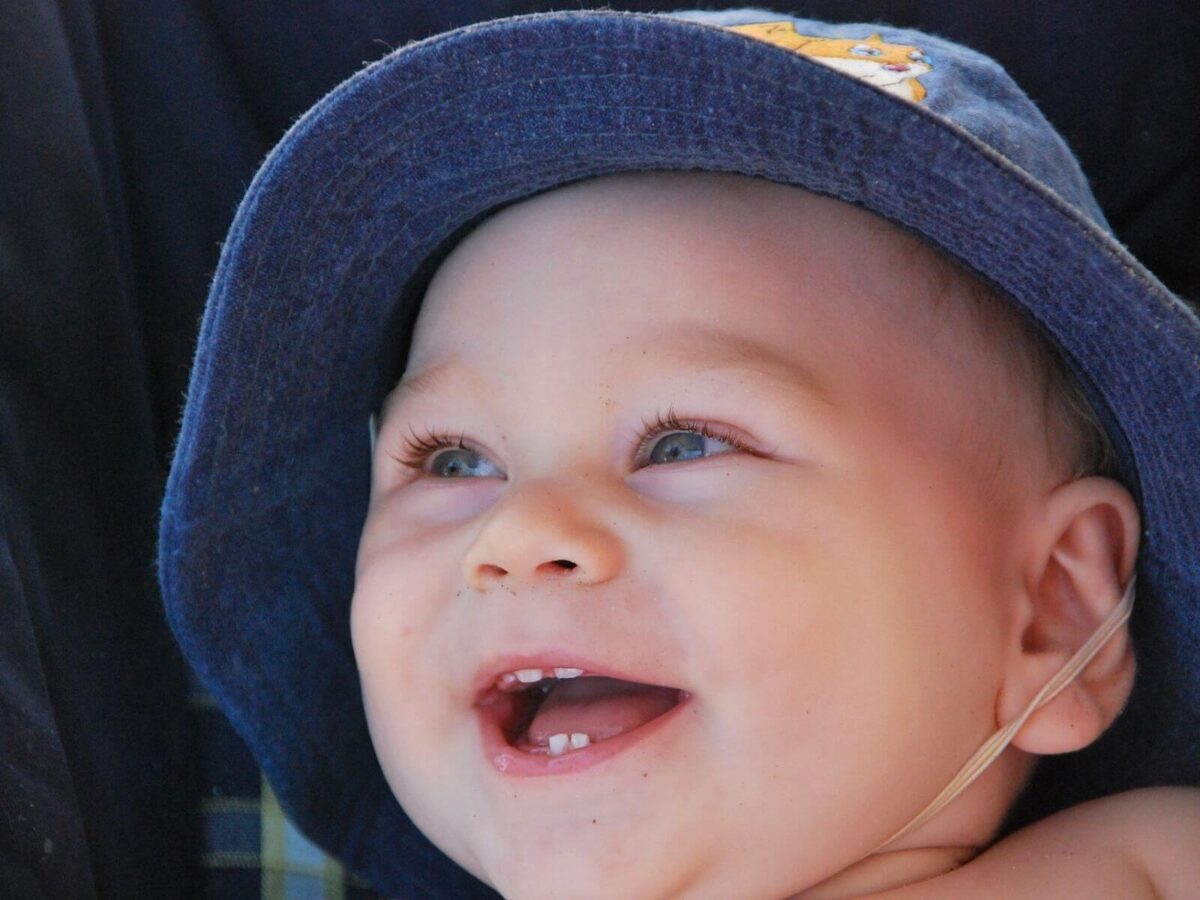
Why Baby Teeth Matter More Than You Think
Let’s just be real for a second. Most parents don’t stress too much about baby teeth. Because they fall out anyway, right? That’s the usual thought. “Eh—it’s just a baby tooth. No big deal.”
We hear that a lot at the Devine Pediatric Dentist office. Parents come in, their kid has a cavity, and they’re thinking, Do I really need to fix this? Won’t the tooth fall out soon anyway? And listen, we get it. That logic makes sense on the surface. But here’s the part most people don’t know—baby teeth are a bigger deal than you think.
Baby Teeth Aren’t Just Little Practice Teeth
They actually do a ton of important things. For starters, kids need teeth to chew. Obviously. But they also need teeth to speak. Ever tried saying “th” or “s” without your front teeth? Good luck with that. Baby teeth help with all of that.
In addition to everything else, the biggest job of these tiny teeth is that they also hold space for the teeth that will come in later as the child grows up.
What If a Baby Tooth Falls Out Early?
If that happens, the teeth surrounding that one can slowly begin to move out of place. Nearby teeth might drift into the open space. It’s like your mouth’s natural version of musical chairs. The problem is, when the adult tooth finally tries to come in, there’s nowhere for it to go. That’s how teeth get crooked. Or stuck under the gums.
Sometimes kids even need surgery later because a permanent tooth can’t find its way out. And that’s all because a little baby tooth went missing too soon.
“But It’s Going to Fall Out Anyway…”
We hear this all the time. And yeah—it’s true. Baby teeth fall out. Eventually. But not as soon as most parents think. Some of those baby molars don’t fall out until a kid is 10, 11, or even 12 years old.
So if a 5-year-old gets a cavity and you ignore it, that tooth could sit there for six more years getting worse. That’s a long time for a little mouth to deal with decay.
Cavities in Baby Teeth = Real Problems
This part surprises people. When there are cavities in baby teeth, it can turn into infections, as it happens with adult teeth. We’ve seen kids with swollen faces, fevers, the whole deal. All because of a baby tooth.
And guess what’s sitting right under that infected baby tooth? Yep—the permanent tooth that’s still growing. Sometimes infections in baby teeth actually damage the grown-up tooth before it even comes in. That’s not something you can undo later.
“My Kid Avoids Crunchy Food Now…”
Ever noticed this? Your kid was all about apples, carrots, and pretzels. Now they avoid crunch and reach for softer snacks instead. Sometimes it’s not about pickiness—it’s about tooth pain.
If chewing hurts, they’ll avoid it. And if they’re only eating soft processed food, their nutrition takes a hit. We see this all the time in our Devine Dental Office, TX. Once we fix the tooth, suddenly kids go back to eating normally again. It’s like flipping a switch.
Speech Can Get Messed Up Too
Kids obviously need to learn a lot at the start, including pronouncing words. If they lose their front teeth too soon—like before they’ve fully learned speech sounds—it can cause problems. Sometimes they develop a lisp. Sometimes they start pronouncing things wrong, and it sticks.
We’ve had parents ask, “Could this be from the missing teeth?” And the answer is… yeah. It can.
So What Can Parents Do?
Start early. Just wipe your baby’s gums with a soft cloth before the first tooth pops out. Once the teeth come in, brush them. Twice a day. If you see even one little tooth poking out, use a small, grain-sized amount of fluoride toothpaste for cleaning. When they’re older, switch to a pea-sized amount.
And yeah, we know it’s a wrestling match sometimes. Kids don’t always love brushing. But trust us—it’s worth it.
First Dental Visit?
Way earlier than most people think. The Devine Pediatric Dentist’s recommendation? First visit by age 1. Even if there’s only one tooth in there. It’s not about cleaning yet—it’s about making sure everything’s growing the right way and getting your child used to the dentist early.
Kids who start dental visits young don’t usually get scared of the dentist later. It’s just normal life to them.
What About Thumb Sucking?
Totally normal. Lots of kids do it. But if they’re still sucking their thumb after age 3 or 4? It might start to push the front teeth forward. The same goes for pacifiers. Your dentist can help you figure out how to help your child break the habit when it’s time.
Do Baby Teeth Need Fillings?
Sometimes, yeah. If there’s a cavity, leaving it alone usually makes it worse. We’ve seen tiny cavities turn into big infections because parents thought, “Let’s just wait this out.” When we fix a small cavity early, it’s a quick, easy appointment. No stress.
Wait too long? Now it’s a bigger procedure. Sometimes it turns into a crown. Sometimes it’s even an extraction.
Bottom Line?
Baby teeth aren’t just “temporary.” They are actually a very big part of your child’s overall health. They help with everything, starting from eating, talking, smiling, and growing. And yeah—they’re placeholders for the adult teeth too. If you keep baby teeth healthy, your child has a way better shot at having a healthy adult smile later.
That’s why your Devine Pediatric Dentist keeps talking about early care. They say that, but this isn’t just about cavities. It’s about keeping your child healthy overall. So the next time someone shrugs and says they’re just baby teeth, you’ll know better.