Blog
Dental hygiene tips for healthy teeth & gums
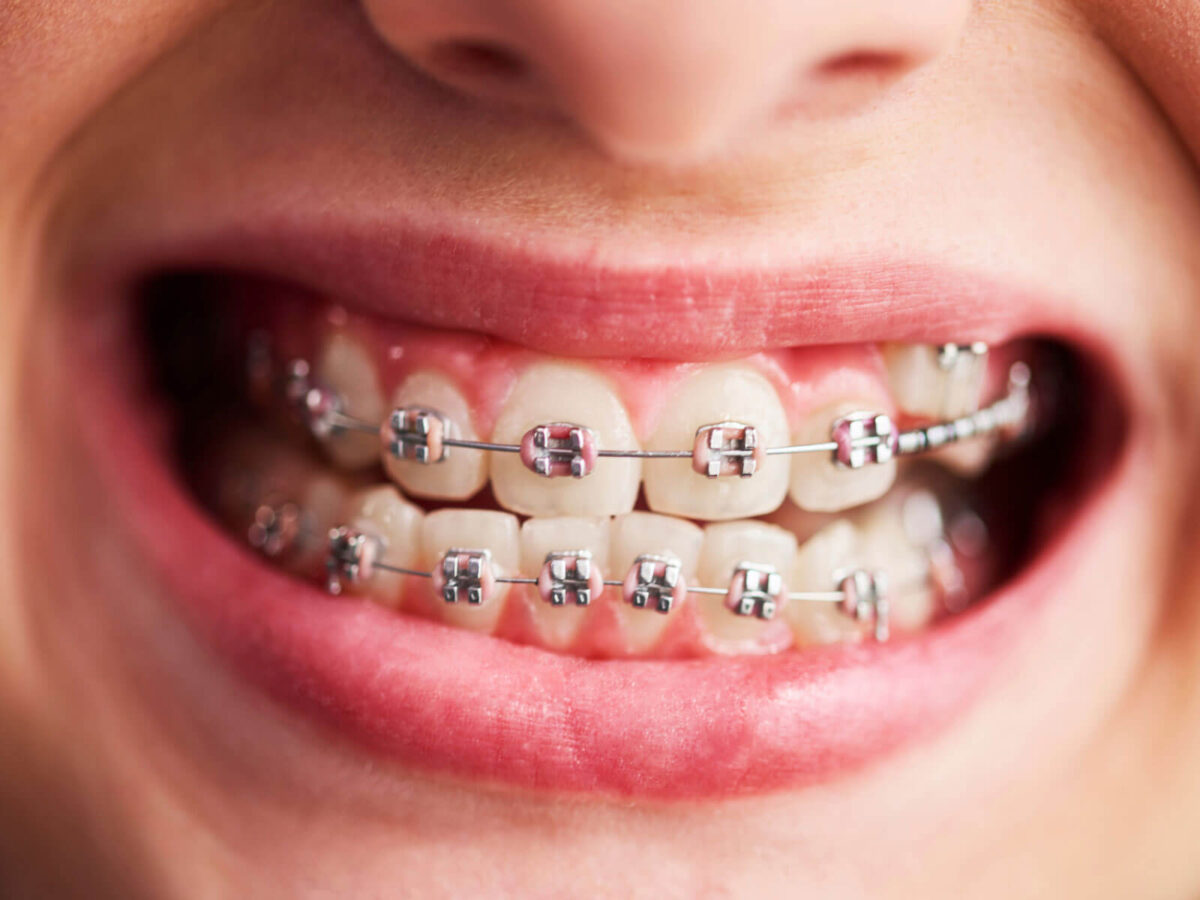
Busting the Most Common Braces Myths
I knew I needed braces. I just kept finding reasons not to get them. A lot of those reasons were braces myths I’d picked up without questioning. That treatment takes forever, that I’d look ridiculous, that the elastic bands would hurt constantly, and that I’d essentially be signing up for years of discomfort in exchange for straight teeth. So I waited.
When I finally went in and started actually reading up on things, almost none of it held up. Not partially wrong. Actually wrong. And I’m not the only one who delayed treatment over things that fell apart under the slightest scrutiny.
TL;DR
- Braces myths around pain, treatment time, appearance, and elastic bands stop a lot of people from starting treatment they actually need.
- According to the AAO, the average orthodontic treatment lasts 18 to 24 months, not the years and years most people assume.
- What braces actually look and feel like today is a long way from the mental image most people are working with.
- Most of the fear around braces is built on information that’s years out of date.
Braces Facts vs Fiction – Do Braces Really Take Years
This was the one I was most wrong about.
I assumed braces meant a minimum of three years, probably more. According to the American Association of Orthodontists, most comprehensive orthodontic treatments last between 18 – 24 months. Mild cases with minor crowding can finish in as little as 6 to 12 months. Complex cases can push past two years, but that’s not the average experience. That’s the exception.
The other part nobody mentions: treatment time is partly in your hands. Missing appointments, breaking brackets, skipping elastic wear – all of that adds months. Patients who follow instructions consistently often finish on the shorter end of their estimated timeline. Your orthodontist gives you an estimate at the start. How closely you follow through is what actually determines where you land.
Does Wearing Braces Mean Looking Like a Kid
This is the common orthodontic misconception that probably stops more adults than any other.
The AAO estimates that roughly 1.91 million adults in the United States are currently in active orthodontic treatment, a number that has increased significantly in recent years. Adult orthodontic patients are now a significant portion of the people walking into orthodontic offices.
Modern brackets are also considerably smaller than what most people picture. Ceramic options blend with the tooth surface. Lingual braces sit on the back of the teeth entirely, invisible from the front. Clear aligners remove the hardware question altogether for cases that qualify. The full-metal look from school photos is not what modern braces look like.
Do the Elastic Bands Hurt as Much as People Say
Elastics have the worst reputation out of everything involved in orthodontic treatment. Some of that reputation is earned. Most of it isn’t.
Elastics do create pressure, especially in the first day or two after they’re placed or after an adjustment. That pressure is doing something. It’s correcting bite alignment in ways the wire and brackets alone can’t. A faint soreness when biting is normal during that window. Actual sharp, ongoing pain is not.
The other thing worth knowing: not every patient needs elastics. They’re used for specific bite corrections. If your case doesn’t involve that kind of movement, you may not wear them at all. I assumed everyone got them for the full duration of treatment. That’s not how it works.
Is Every Adjustment Appointment Painful
Honestly, a lot less than I was expecting going in.
The appointment itself is painless. The orthodontist swaps the wire, checks the brackets, maybe changes the elastics. You’re in and out in about 20 minutes with nothing that hurts while you’re sitting in the chair.
At my third adjustment, the orthodontist held the old wire up next to the new one before swapping it out. I could actually see the difference in the curve. Didn’t say anything. Didn’t need to.
The soreness comes after, usually within a few hours and peaking somewhere in the first day or two. It feels like pressure more than pain. Most people manage it fine with whatever they’d normally take for a headache. After a few rounds of it, I stopped dreading the days after adjustments.
The Truth About Braces Starts Here
Get a straight answer on what treatment actually looks like at our Devine orthodontic office.
What Are the Braces Facts vs Fiction Around Food Restrictions
There are things you can’t eat with braces. Hard candy, ice, popcorn. Anything that risks snapping a bracket or getting jammed in the wire. That part is true.
What’s overstated is how much it actually changes your day. Most of what I was eating was still fine. The adjustment was more about being careful with how I bit into things than actually giving things up. Corn off the cob instead of on the cob. Harder foods cut up rather than bitten into whole.
I heard people talk about the food restrictions like it was the hardest part of treatment. A few weeks in, I’d stopped thinking about it.
Are Braces Really Just a Teenage Thing
Most people think braces are a teenager thing. They’re not, and that’s true on both ends of the age range.
The AAO recommends a first orthodontic evaluation by age 7. At that age, jaw development issues are still manageable in ways they won’t be later. Holding off until the teenage years is one of the more common mistakes parents make, and it often means more involved treatment down the line.
On the adult end, there’s no upper age limit on orthodontic treatment. Teeth move throughout life. Adults who get braces after years of shifting post-childhood see real results. Adults may take a bit longer than teenagers because bone density works differently, but the end results are the same.
What Is the Truth About Braces and Long-Term Results
This part I didn’t think about much before I started. What happens after the braces come off.
Success rates for traditional braces in achieving correct occlusion sit between 88% and 90%. The results hold as long as retainer wear is consistent afterward. Teeth shift over time without a retainer, and that’s where a lot of people lose the gains from treatment. The braces do the work. The retainer keeps it.
Getting the braces off isn’t the end. The retainer is what keeps everything where it ended up. Without it, the teeth shift back, and the work starts unraveling.
FAQs
How long do braces actually take?
Most cases fall between 18 and 24 months according to the AAO. Simple cases can finish closer to 6 to 12 months. Complex cases sometimes run longer. Your orthodontist gives you an estimate at the start based on your specific situation.
I’m scared of the pain — do braces hurt the entire time?
No. The first few days after getting them on and the day or two after each adjustment are the uncomfortable parts. In between, most people forget they’re even wearing them.
Do I definitely have to wear elastic bands?
Not for every patient. Elastics are used when bite correction is part of the treatment plan. If your case is primarily about tooth alignment rather than bite, you may not need them at all.
Can adults get braces?
Yes, and in growing numbers. Nearly two million adults in the US are currently in orthodontic treatment. Age affects the speed of tooth movement slightly but not the achievable outcome.
Will braces affect how I talk?
For the first few days, yes. After that, most people stop noticing it, and nobody else does either.
Conclusion
I delayed treatment over things that turned out to be either outdated, exaggerated, or just wrong. The time commitment was shorter than I expected. The appearance was less noticeable than I feared. The elastics were uncomfortable for a couple of days after adjustments, not constantly. The food restrictions became a habit within a few weeks.
A lot of what gets passed around about braces myths traces back to someone’s experience from fifteen or twenty years ago. Orthodontics has changed a lot since then. For anyone in Devine who has been putting off a consultation over similar fears, the gap between what people expect and what the experience actually involves is worth finding out for yourself.
Start With the Facts, Not the Fear
Our Devine orthodontic team answers every question before treatment begins.