Blog
Dental hygiene tips for healthy teeth & gums
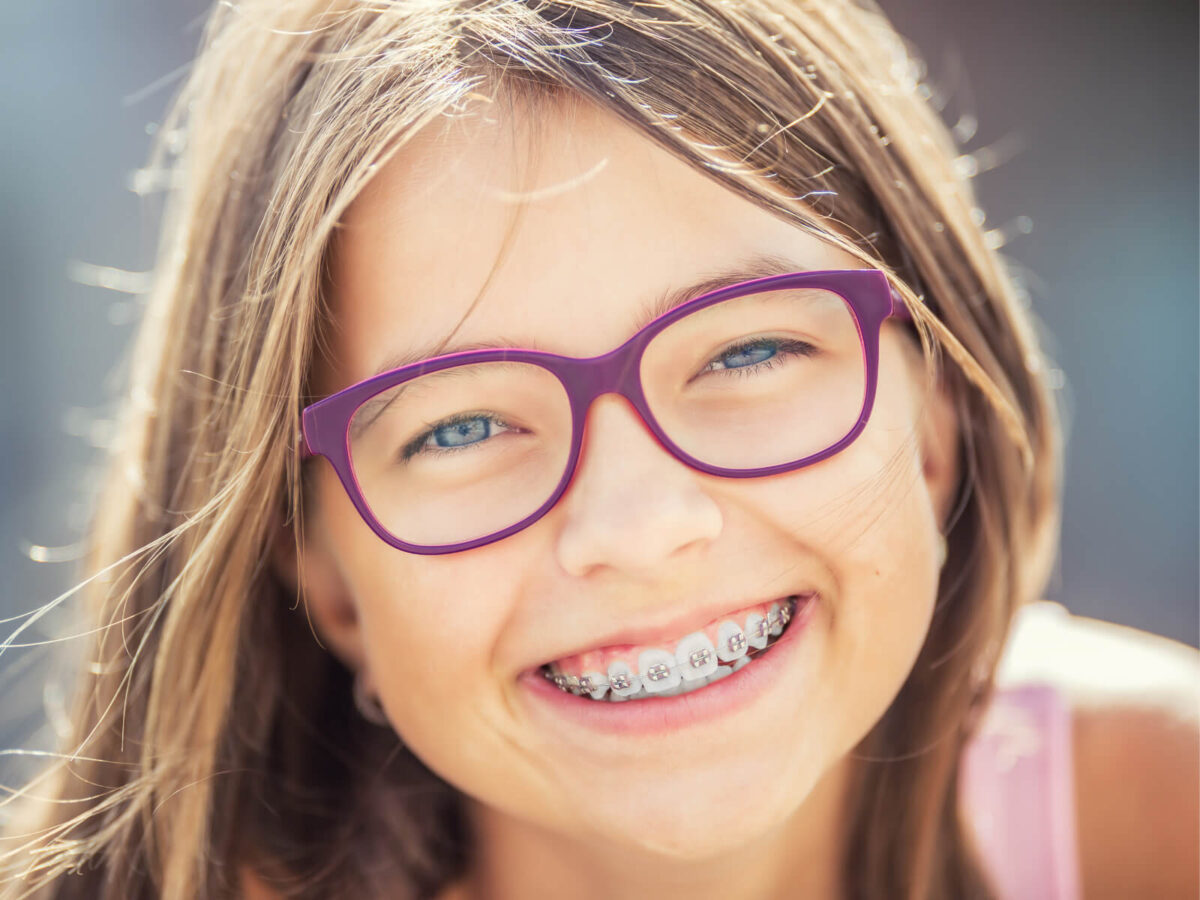
When Do Kids Get Braces And What’s The Best Age For Them?
Parents think about braces earlier than they expect. A crooked tooth pops up, or a bite looks uneven, then the big question comes: Is now the time?
The truth is, no magic number fits every child. A Devine Pediatric Dentist will explain that braces depend on growth, teeth, habits, and even personality. The “best age for braces” isn’t a calendar date. It’s more of a window.
Why Kids Need Braces
People assume braces only fix crooked teeth. They do that, but also more. Braces line up jaws, fix bites, and sometimes even make speech a whole lot clearer.
If teeth don’t fit together, chewing can strain muscles. That pain might not show until years later. That’s why braces are about health, not just appearance.
The First Orthodontic Check
Dentists usually suggest an orthodontic visit around age seven. At this stage, some baby teeth remain, but adult teeth begin pushing in.
An early exam gives a roadmap. The Devine Dentist TX may see crowding, spacing, or jaw growth patterns. Parents get answers before problems become bigger.
Early Treatment Or Waiting
Some children need early help. Small appliances or limited braces guide jaw growth before all adult teeth come in. This is often called Phase One. Others wait until their teen years for Phase Two. The Devine Pediatric Dentist makes that call after checking X-rays and growth charts. Each child is different, so no copy-paste plan works.
Common Age Range
Most kids usually start braces somewhere between ages 10–14. By then, enough permanent teeth have arrived, but the jaw is still developing.
This window is why many call it the best age for braces. It’s the sweet spot; teeth are in, bones are flexible, and results usually come quicker.
Why Not Delay Too Long?
Parents sometimes think waiting until 16 or later saves stress. But waiting too long can backfire. The jaw becomes harder to guide, and shifting teeth takes more force.
A Devine Dentist TX may warn that the wait increases time and sometimes cost. Severe cases may even need surgery in adulthood. Acting earlier avoids that.
Emotional Readiness
It’s not only about bones and teeth. Braces are a responsibility. Kids must brush, avoid certain snacks, and deal with checkups.
A good Devine Pediatric Dentist considers maturity. A younger child may struggle to care for braces. A teen may feel self-conscious at school. The right time balances growth and readiness.
What If Braces Start Too Early?
Braces before the right stage can mean extra years of treatment. If adult teeth haven’t come in, some shifting may undo itself. That leads to repeated work.
So early isn’t always better. Sometimes waiting for the right moment is smarter, even if parents are eager to start.
Growth Spurts Help Braces Work
Braces often use natural growth to guide jaws. During a growth spurt, bones respond faster, making correction easier.
That’s another reason 10–14 is so common. Kids grow fast in those years, and braces ride that wave. A Devine Dentist TX watches closely for those signs.
Red Flags For Parents
Crowded teeth, big spaces, overbites, underbites, crossbites — all of that counts. If your kid mouth-breathes, chews oddly, or still sucks their thumb, better to look sooner.
If parents notice these patterns, a visit to a Devine Pediatric Dentist clears doubts. Even if braces aren’t needed right away, a plan forms.
Different Types Of Orthodontic Treatment For Kids
Traditional braces are still the most common. They’re reliable and effective. Ceramic braces blend in better. Clear aligners may be possible for mature older kids.
The right choice depends on discipline, bite type, and comfort. An orthodontic treatment for kids isn’t one-size-fits-all. An approach effective for one child may not suit another.
Living With Braces At Different Ages
Younger children may accept braces quickly, almost as part of childhood. Teens might complain more but often follow cleaning routines better.
Both paths have pros and cons. Parents and the Devine Dentist TX weigh these together when deciding timing.
Oral Hygiene With Braces
Brushing and flossing around brackets is tricky. Food sticks easily. Kids need patience, and sometimes parents need to help.
Without good care, cavities or stains appear. That’s why a Devine Pediatric Dentist stresses hygiene at every visit. Habits formed here last beyond braces.
Eating And Lifestyle Adjustments
Braces mean skipping certain snacks, like hard candies, sticky gums, and even popcorn. Kids may resist at first. Parents face the daily challenge of reminders.
Younger children may slip up more. Teens may feel the restrictions at social events. Each stage comes with its own hurdles.
The Cost Question
Parents often ask if waiting saves money. Usually, the opposite is true. Treating simple crowding at 12 may take less time than correcting major misalignment at 18.
Insurance coverage varies. Some plans support braces at younger ages but not later. A Devine Dentist TX helps families review costs before choosing.
How Kids Feel About Braces
Some love picking colored bands. Others dread smiling at school. Emotions move from excitement to frustration, then circle back.
That emotional side matters. A Devine Pediatric Dentist talks with kids directly, helping them feel involved. Confidence grows when children feel part of the decision.
Advances In Technology
Modern braces are smaller and less noticeable. Digital scans replace molds. 3D imaging shows results before treatment begins.
These updates help make braces less scary. Parents and kids both feel more at ease. The future of orthodontics looks easier than the past.
If The “Best Age For Braces” Is Missed
If a kid missed braces at 12, don’t stress. Braces still work fine for both teens and adults. It just might take longer. The Devine Dentist TX adjusts the plan for older patients. Options like clear aligners may appeal to late starters. It’s never too late for a better smile.
Timing Is A Guideline, Not A Rule
The best age for braces usually falls between 10 and 14. But it’s not rigid. Some start sooner, while some wait. That’s why exams matter. A Devine Pediatric Dentist guides parents on timing, not online charts. Each child’s smile is unique.
How Braces Support Lifelong Health
Straight teeth are easier to clean. That lowers cavity risk. Aligned bites keep gums and jaw joints safe. Braces represent an investment in future health, beyond creating straight smiles.
Avoiding braces when needed can cause pricey dental cases later. Parents who act at the right time save children from bigger issues down the road.
Conclusion
Braces are part science, part timing, and part patience. The decision isn’t always easy. But guidance from a trusted Devine Pediatric Dentist makes it simpler.
The best age for braces is often 10–14, yet every child’s path looks different. With early checks and the proper plan, parents know whether to start now or later.
What matters most? Giving kids healthy teeth and confidence that lasts. And for the folks near Devine, a visit to a Devine Dentist TX can be the first step toward that future.